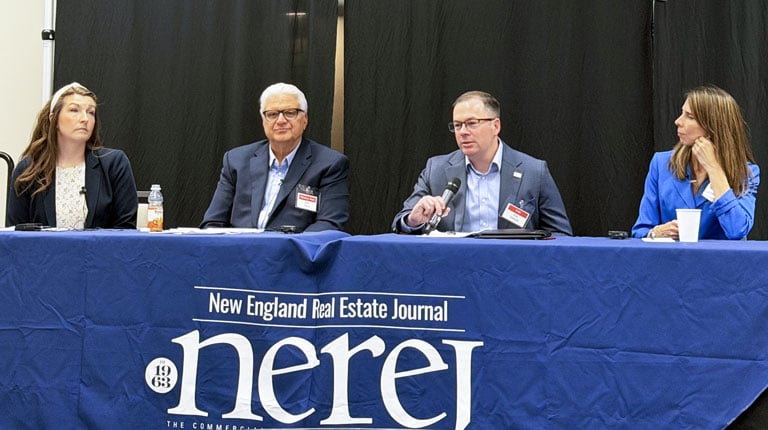
VHB’s Real Estate team, including Todd Pederson, Ryan McAlister, and Kevin Keeley, recently attended the ULI Housing Opportunity Conference, which attracted public- and private-sector leaders focused on the future of housing.
This ULI event made one thing clear: housing demand continues to surge across major metro areas and secondary markets in the United States, and communities are looking for ways to close the gap. Conversations focused on capital constraints and critical partnerships with developers and communities that are essential to advancing new project developments. Here are the team’s main takeaways:
Capital is the Critical Constraint and Partnerships Are Emerging to Close the Gap
Across multiple panels, practitioners emphasized that while familiar obstacles—bureaucracy, politics, tariffs, labor shortages, and material costs—continue to shape project delivery, access to capital is the single greatest constraint on advancing projects. In response, some investors are providing gap financing to bridge funding shortfalls for well-conceived projects that are ready to move, rather than those still in the early planning stages. The projects best positioned for success will be those that integrate technical planning, design, and capital strategy from the very beginning.
Senior Living Demand is Surging and the Market is Playing Catch Up
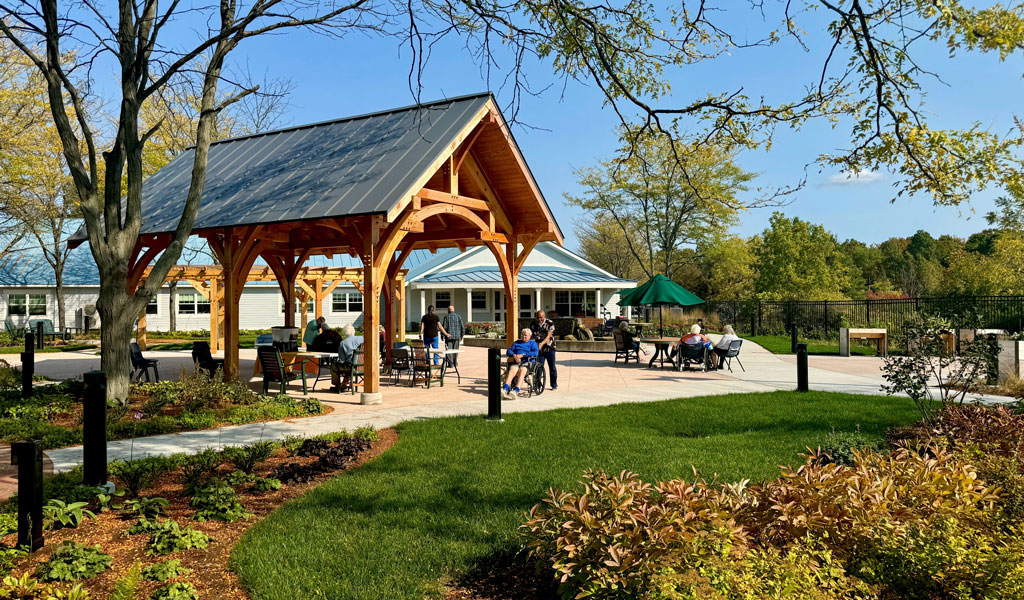
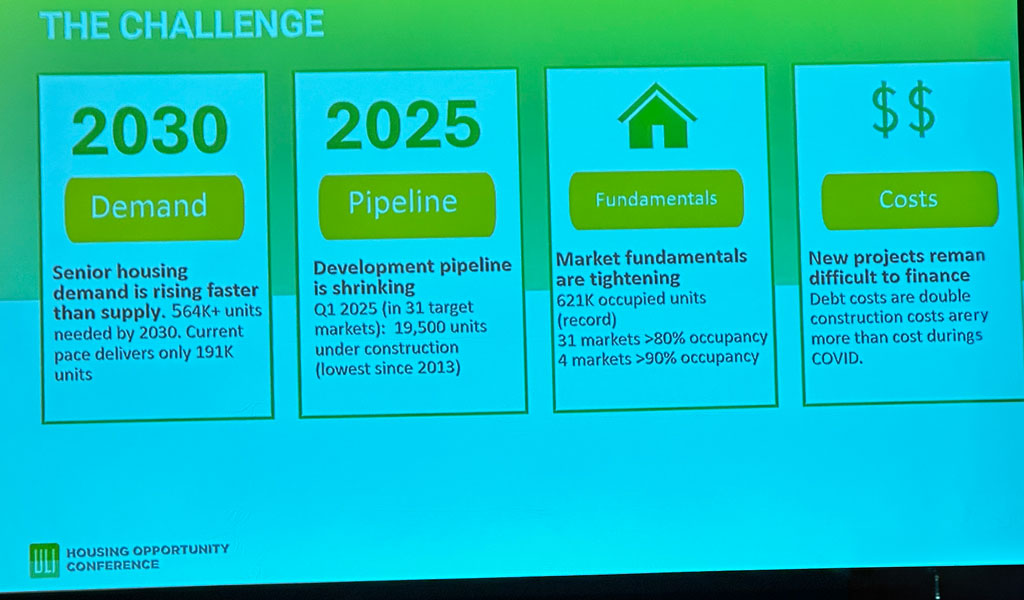
The “silver tsunami” demographic wave has arrived, and demand for senior living communities will continue to grow across the nation. A Harvard research study points to a significant gap between the number of units currently under construction and the level of demand expected by 2030; a gap exacerbated by declining new construction starts in 2025. Senior living occupancy is increasing while operators focus on new health services and mixed-use locations, rather than isolating communities as a standalone product type. Communities that are working with owners to actively plan additional units and remove regulatory hurdles will be best positioned to meet market demand. The most proactive communities will enable seniors to age in place through a variety of approaches, including adaptations to existing units and new construction within their communities.
Transit-Oriented Development is on the Rise in Major Metro Areas
Transit agencies are evaluating their assets to determine the feasibility of transit-oriented developments. ULI sessions underscored the importance of transit-oriented, mixed-use developments, particularly in urban metro areas for market rate, below market rate, and affordable housing products. As agencies seek to reposition station areas, the most compelling proposals will combine a mix of uses including attainable, affordable, and senior housing, public realm, and thoughtful parking and access strategies.
Relationships and Ecosystems Drive Housing Delivery
The ULI Housing Opportunity conference reinforced that no single organization could solve the housing challenge alone. Progress depends on partnerships among developers, designers, investors, public agencies, elected officials, and service providers. Every one of these stakeholder groups has a role to play, and cross-sector leadership is essential to translate ideas to political will to action.
Market Innovation and Constraints
Conference participants emphasized that innovation, new private capital investment such as the Amazon Housing Equity Fund, the faster deployment of existing capital, and streamlined regulations could help projects move forward more quickly to meet market demand. At the same time, they noted that high insurance costs, rising construction and labor expenses, and changes to building codes continue to constrain the market.
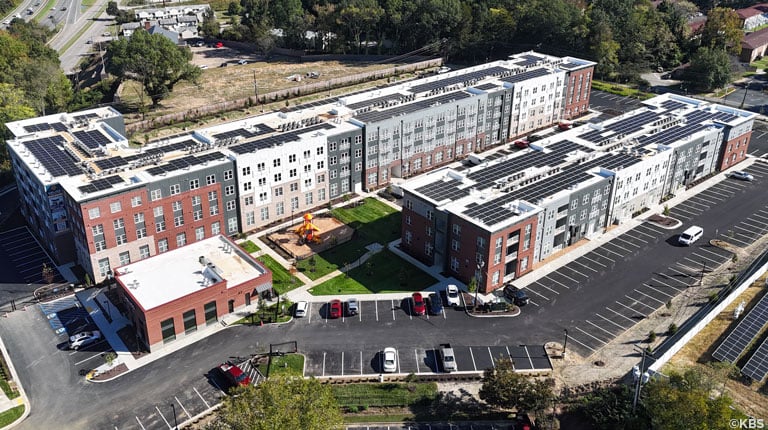
VHB helps our clients deliver a variety of residential developments across the East Coast. Learn more about VHB’s residential work, including our affordable housing and senior living experience.