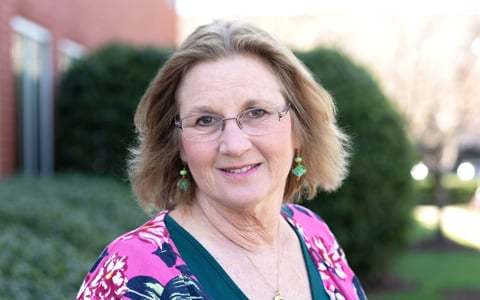
Rebecca Francese is a Senior Environmental Scientist at VHB, bringing decades of experience in dredging and permitting. Her work spans ports, shipyards, marinas, and stormwater systems, helping clients maintain critical infrastructure and adapt to evolving environmental and operational demands.
We connected with Rebecca on what dredging really involves, why it matters more than ever, and how VHB teams are approaching increasingly complex projects across the East Coast.
VHB: For those less familiar, what is dredging and why is it so important?
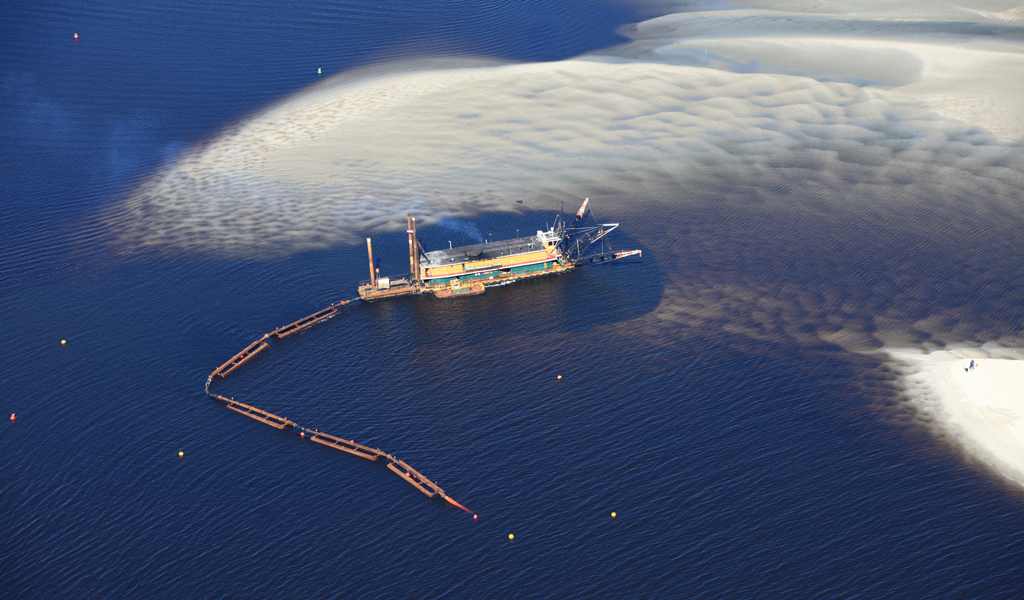
Rebecca: Dredging is the process of removing accumulated sediment from waterways and placing it in another location. While that may sound straightforward, the reasons behind it are wide-ranging.
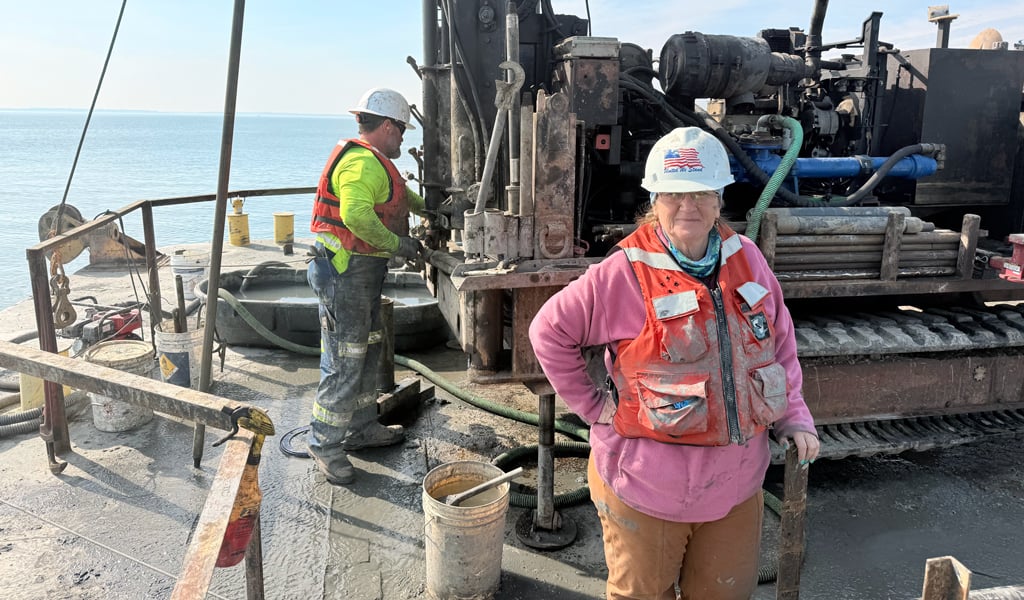
The most common driver is navigation. Ports, shipyards, and marinas must maintain enough depth for vessels to operate safely and efficiently, from recreational boats to commercial shipping and Department of Defense operations. Dredging also supports stormwater management, as lakes, ponds, and drainage systems fill with sediment over time, reducing their ability to store and treat runoff. Removing that material restores capacity and water quality, while similar efforts in reservoirs and around dams help maintain system performance. While navigation is often the main focus, dredging plays a broader role in supporting both infrastructure and environmental systems.
VHB: Dredging may sound straightforward, but your work suggests otherwise. What’s one of the biggest challenges you’re navigating right now?
Rebecca: One of the biggest challenges isn’t actually removing the material, it’s figuring out where to put it. Historically, projects have relied on established dredge material management areas, but capacity is becoming increasingly limited. In the Norfolk Harbor, a major disposal site, Craney Island Dredged Material Management Area (CIDMMA), is unavailable, but there are still new projects under development and existing channels and berths that require continued maintenance. Even when the site reopens, access will likely be prioritized for federal and port authority projects. That leaves other clients, like shipyards and bulk transport facilities, looking for alternative solutions. Identifying those options and securing permits for them can be complex—and something VHB can help navigate.
On a recent port project, we supported permitting and dredging at berth locations at the Virginia International Gateway and Norfolk International Terminals to accommodate the Ultra-Large Container Vessels, the largest ships currently operating along the Eastern Seaboard. A key component was evaluating offshore disposal alternatives and coordinating the sediment sampling needed to meet permitting requirements. These considerations add layers to project implementation that go well beyond the dredging itself. A big part of our role is helping clients work through those constraints and find practical, compliant paths forward.
VHB: Your work spans multiple disciplines and project types. How does collaboration shape the way dredging projects come together at VHB?
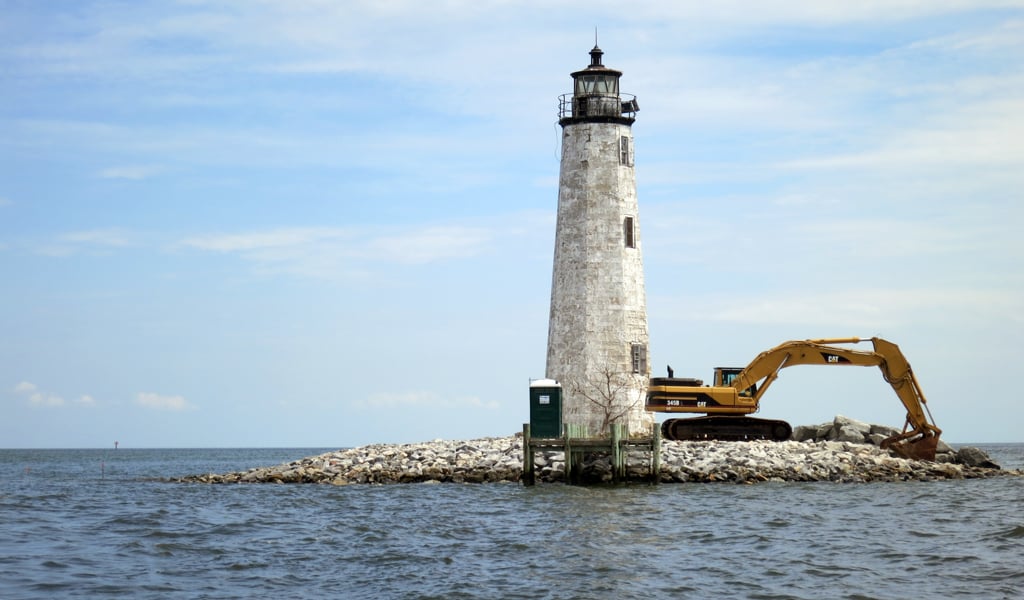
Rebecca: Collaboration is a huge part of what makes these projects successful. Earlier in my career, I worked in smaller teams where we handled select aspects of a project ourselves. At VHB, we can bring together specialists across disciplines—including environmental scientists, coastal engineers, survey teams, and site development professionals—which really expands what we can offer clients. On some shipyard projects, for example, we can now support both waterside dredging and the adjacent land development. That’s something I couldn’t have done before, and it allows us to provide a much more comprehensive solution.
We’re also seeing more opportunities to support complex permitting efforts and first-of-their-kind projects in the region, such as dredging at the Virginia International Gateway. These require close coordination across teams, along with a willingness to step in and support different aspects of the work. Ultimately, that collaboration enables us to take on projects that are more integrated and impactful for our clients.
Rebecca’s work highlights the critical role dredging plays in keeping infrastructure functional, resilient, and ready for what’s next. From maintaining navigation to addressing complex disposal challenges, her projects help coastal and waterfront systems continue to support the communities and industries that depend on them.
Connect with Rebecca via email.