
The Rivertowns Consortium, representing seven communities along New York State’s Hudson River, faces growing challenges in managing residential and commercial food waste. To support long-term sustainability goals, the Consortium partnered with VHB to complete a Hudson River Valley Greenway–funded feasibility study evaluating practical strategies to increase food scrap diversion by up to 80 percent and advance climate action across the region.
VHB worked closely with the Consortium to develop a roadmap that emphasizes convenience, accessibility, and measurable impact. The recommendations focus on initiatives that benefit residents, businesses, and local ecosystems—such as curbside organics collection, community composting, educational programs, and legislative policies to reduce food waste at its source. These actions aim to capture valuable organic material that would otherwise go into the county’s municipal solid waste stream, turning it into nutrient-rich compost for parks, gardens, and green infrastructure projects.
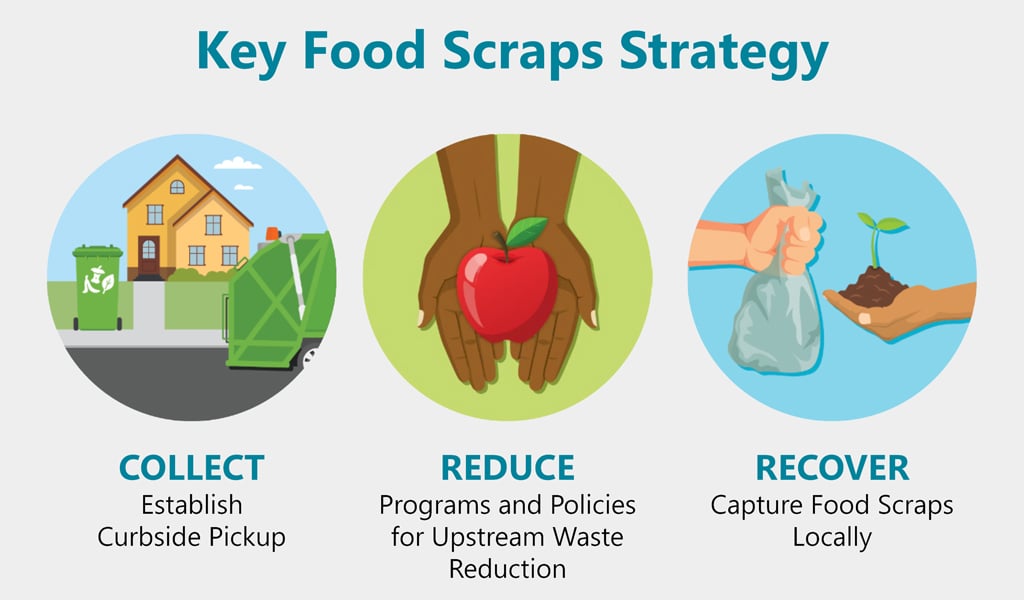
The study also highlights a phased approach that begins with pilot programs in individual communities and expands into coordinated, intermunicipal operations. By simplifying participation and providing hands-on opportunities to engage with composting, the roadmap is designed to make sustainable practices part of everyday life for households and businesses alike.
“This study provides a clear, strategic roadmap for the Rivertowns to lead in sustainable waste management,” said Andrew Buck, Senior Urban Planner/Technologist. “By capturing and reusing organic materials, the Rivertowns are turning everyday waste into solutions that support parks, gardens, and a healthier local environment.”
The completed study equips the Rivertowns with a practical, community-informed foundation for future decisions—strengthening resilience, supporting green infrastructure, and charting a path toward near-zero food waste.
To learn more about how VHB helps municipalities turn ambitious goals into actionable programs, contact Andrew Buck.