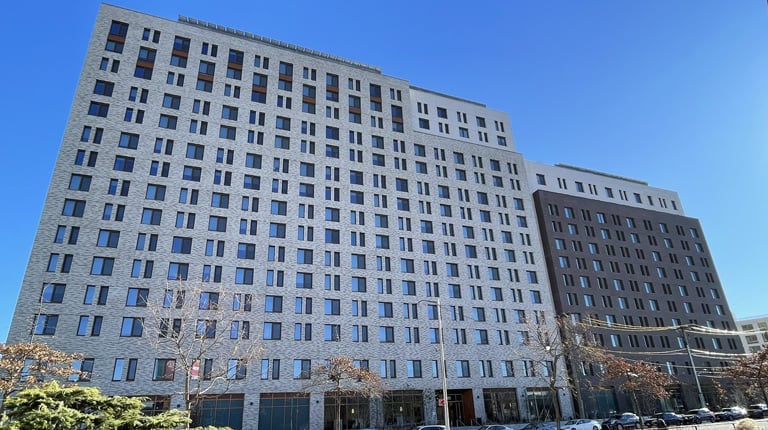
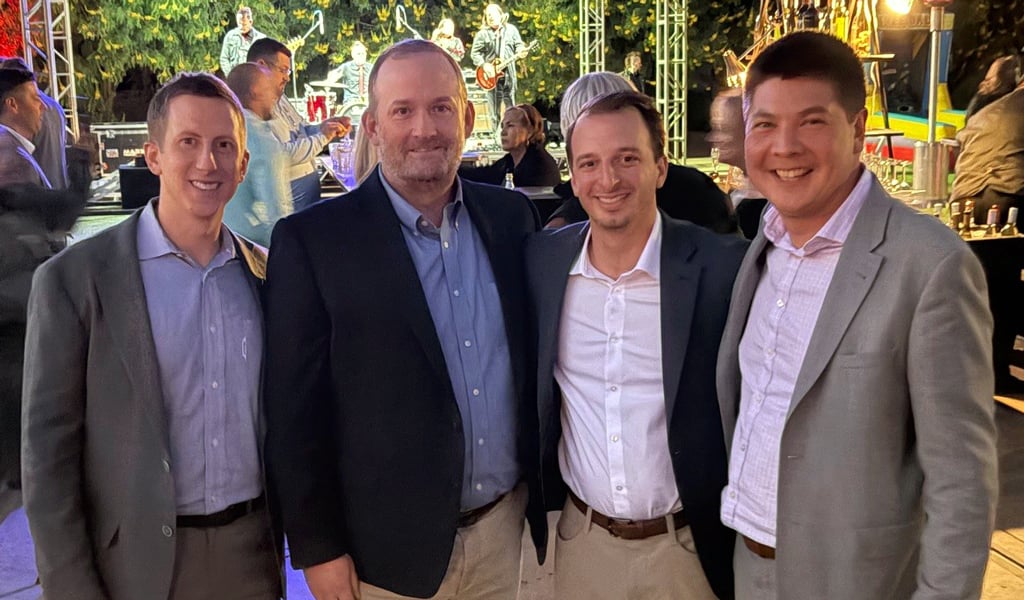
Wondering what’s next for the retail sector? VHB’s Real Estate team—including Rick Dupuis, Andrew Nee, Peter Doster, and Jon Moser—recently attended the ICSC+CENTERBUILD Conference which attracted more than 1,200 owners, developers, and service providers, who came together to discuss the future of retail environments.
ICSC+CENTERBUILD made one thing clear: retail destinations continue to evolve. Conversations across roundtables, keynotes, and panel sessions focused on community engagement, experiential retail, sustainability, land use, and the design of community-centric environments for people of all ages. Here are the team’s main takeaways from the conference.
Community-Engagement Strategies: Placemaking & Programming
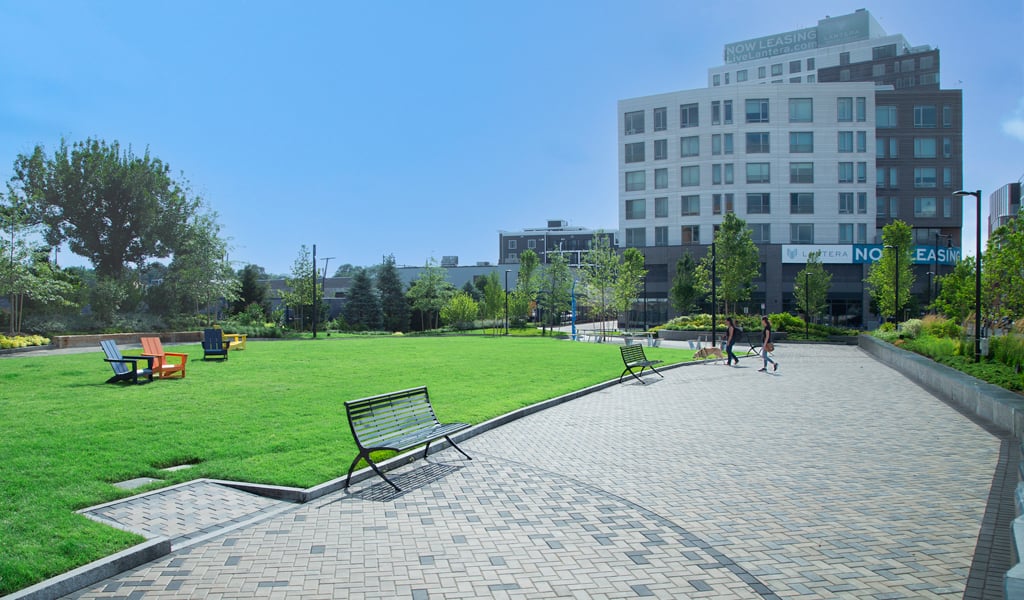
Mall owners and retail developers are focused on placemaking and programming to activate their retail centers and spaces. They are investing in open spaces that can be used for community events—such as concerts, farmers markets, artists exhibitions, special attractions, and youth sports—blending retail with gathering areas that can be used to strengthen connections and support foot traffic. Community engagement strategies have resulted in longer dwell times of visitors, which are important for greater tenant satisfaction and sales.
Reinventing Retail: Experiential Concepts Drive Traffic & Sales
Experiential retail is transforming shopping experiences. Dick’s Sporting Goods introduced its House of Sport concept in 2021. Their new concept features large-format stores (often ~100,000 sq. ft. or more) with experiential elements like climbing walls, turf fields, batting cages, and golf simulators that bring in foot traffic for events and clinics. Dick’s House of Sport locations are now outperforming the average Dick’s chain store in sales. As a result, Dick’s plans to expand its House of Sport locations across the U.S. As physical stores continue to compete with online retailers, the creation of a destination and unique experiences will help to draw customers and enhance engagement.
Sustainability Investment Strategies: Energy Efficiency and Renewables
Sustainability is now embedded in operations. Real Estate Investment Trusts (REITs) are prioritizing Environmental, Social, and Governance (ESG) investments that will create long-term value while reducing environmental impacts. They are developing comprehensive sustainability plans, which are designed to lower greenhouse gas emissions, and investing in renewable energy sources—such as solar—to reduce energy costs. Comprehensive energy strategies that combine solar, electric vehicle (EV) charging stations, and efficiency measures like LED lighting are important to attract tenants and investment capital and provide environmental benefits to communities.
Omni-channel Retailing: Digitally Native Brands Turn to Brick-and-Mortar for Growth
Over the past five years, the retail sector has seen a shift toward omni-channel strategies that integrate online and offline shopping experiences. Digitally native brands that slowed after an initial e‑commerce boom are seeing renewed growth when they establish physical locations. For these brands, stores have become essential for customer acquisition, brand visibility, and fulfillment.
Re-thinking Land Use and Parking: Right-Sizing Parking Unlocks New Development Opportunities
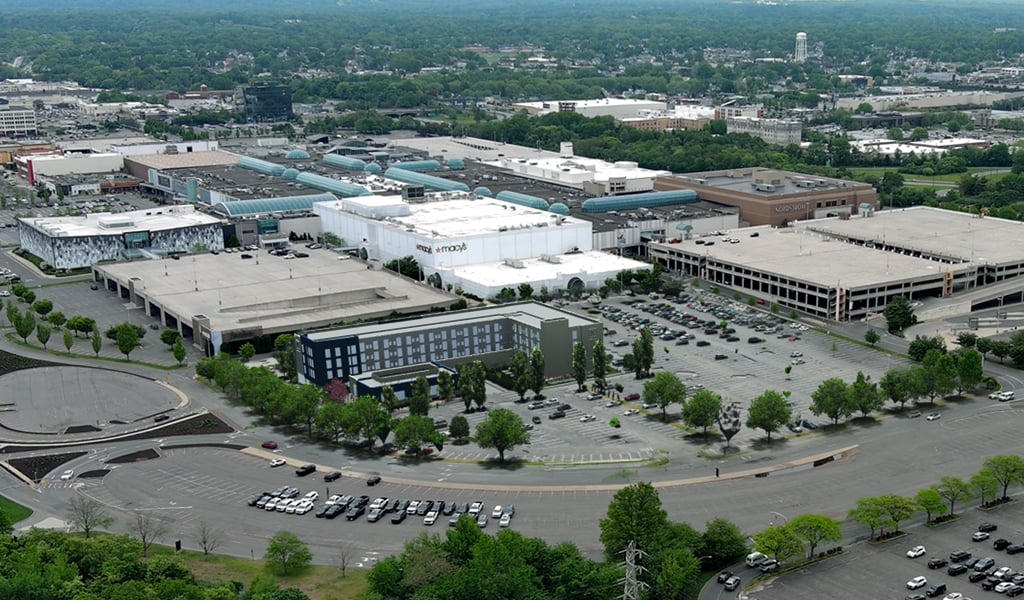
“Archaic and historic” parking ratios are misaligned with demand. Mall owners and retail centers with large anchor tenants are successfully negotiating lower ratios with municipalities and anchor tenants, unlocking significant development opportunities at established shopping centers. Land is being freed up for mall expansions, amenities, outparcel development and a mix of uses including hotels, residential, or medical office space. As a result, many communities are working to streamline application reviews with local planning, zoning, building and engineering departments in an effort to spur economic activity.
“Retail center owners are focused on creating walkable environments, flexible open spaces, and programming that activates their destinations,” said Rick Dupuis, Retail Program Leader. “Whether it’s youth sports fields, community ice rinks, plazas or parks integrated into mixed-use sites, the retail environments that are successful are the ones designed to genuinely connect with their communities.”
Learn more about VHB’s Retail work and/or connect with Rick Dupuis, Retail Team Leader, to learn more.