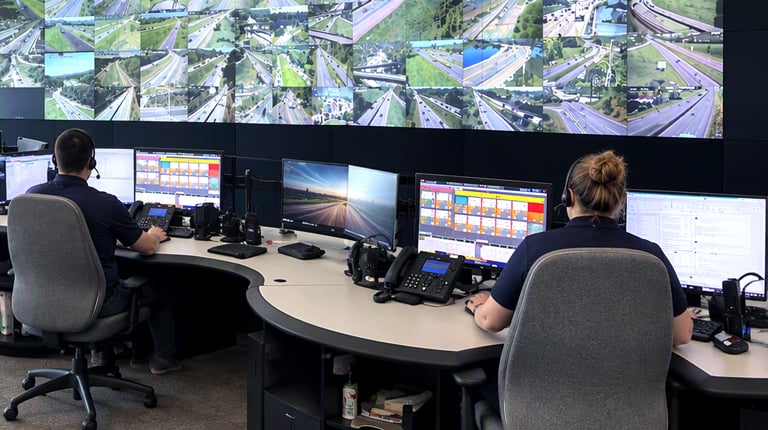
Seven VHB thought leaders presented at this week’s Massachusetts Department of Transportation (MassDOT) Innovation Conference, sharing practical, forward-looking approaches to digital project delivery, transformative safety programs, and data-informed risk assessment tools. The annual conference convenes transportation professionals to exchange innovative solutions and emerging best practices.

Across the conference’s themes—Implementation of Data and Technology Outputs; Municipal Partnerships Advancing Transportation Initiatives; Multi-Agency Approaches to Transportation Practices and Policies; and Innovative Design Concepts, Materials and Construction Techniques—VHB speakers highlighted tools and strategies agencies can apply now.
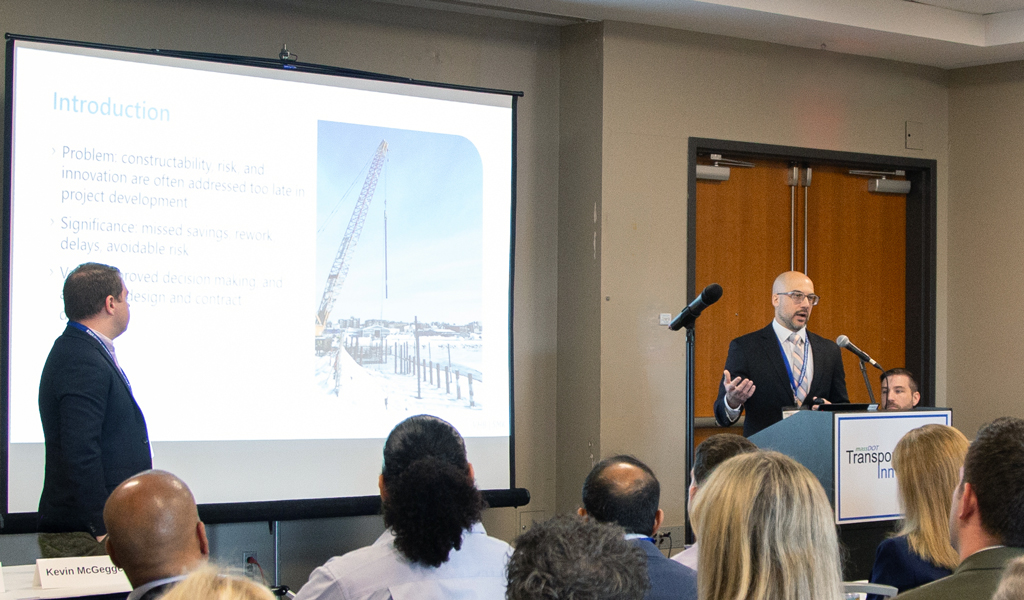
Managing Director, Highway & Structures Nick Scenna joined representatives from MassDOT and SMK Services to present “Build Strategy: Beyond Estimates and Schedules.” The team discussed how developing an interdisciplinary build strategy early in project development can strengthen design decisions, streamline contract preparation and procurement, and support permitting and right-of-way planning.
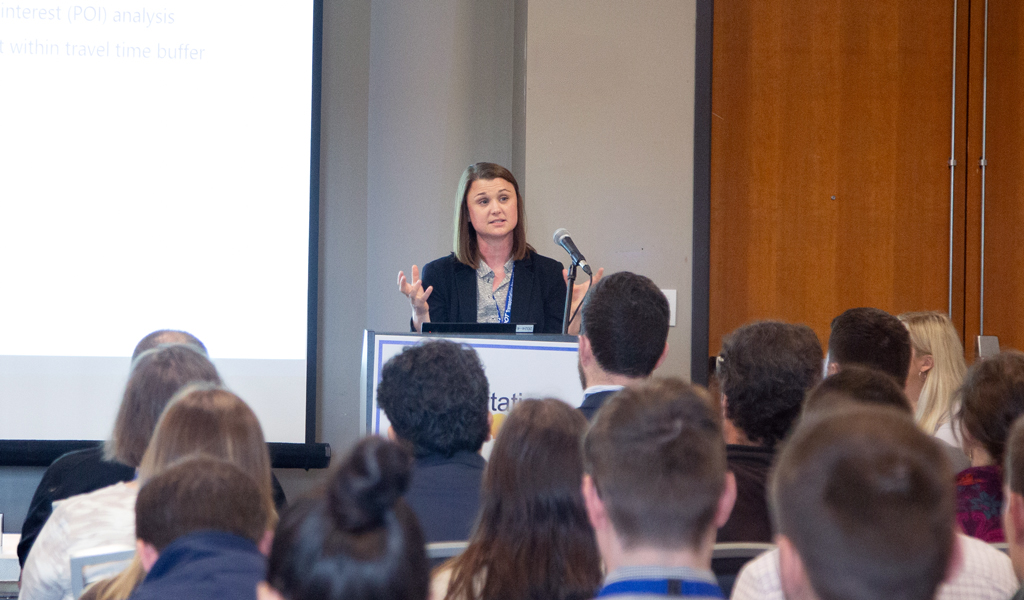
In “A Data-Driven Roadway Resiliency Framework for Massachusetts,” Managing Director, MA-TPO/TS Nicolette Hastings partnered with MassDOT to share progress on a consistent, data-driven tool to evaluate roadway resilience statewide—helping agencies prioritize investments and respond to climate and asset risks with greater confidence.
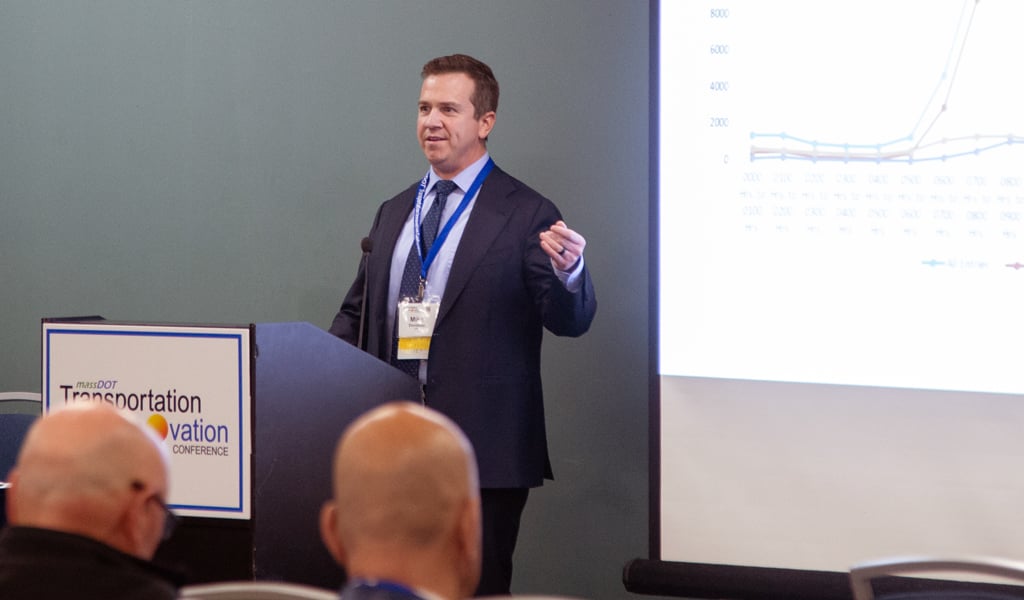
Transportation Planner Ian Hamilton led a hands-on session, “The Areawide Approach to Roadway Safety Management,” introducing attendees to areawide crash prediction models (CPMs) and demonstrating how agencies can apply them using readily available data to proactively identify higher-risk locations.
Project Manager Eric Klepadlo provided an overview of the Smart Pittsburgh (SmartPGH) project, which leverages advanced technologies and agency partnerships to enhance safety, mobility, and quality of life across the Pittsburgh region.
In “Contractor Input in Digital Delivery at the Vermont Agency of Transportation (VTrans),” Vermont Transportation Technology Lead Jeff Bachiochi described how VHB and VTrans used the Contractor Input During Design (CIDD) process to help shape Vermont’s first 3D model to serve as a legal document for construction—advancing digital delivery and improving constructability.
Project Delivery Manager Mike Davidson presented on Pennsylvania’s Lane Reservation System (LaneRez), a centralized, web-based application designed to replace inconsistent work zone scheduling practices with a standardized, statewide process that improves coordination and reduces disruptions.
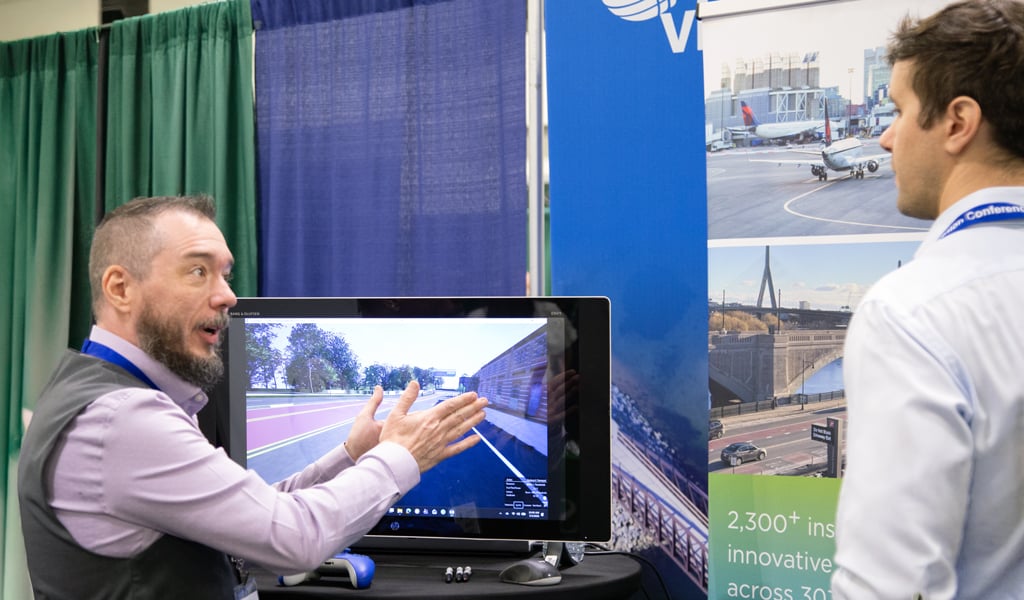
VHB’s booth also featured an interactive rendering program, run by Lead Visualization Tech Specialist Chris Dubois, in which participants could explore a model of the Lord Overpass Interchange in Lowell, MA as a pedestrian, cyclist, or passenger vehicle.
In lieu of traditional branded merchandise, VHB donated to Worcester Polytech Institute (WPI) in support of the school’s STEM Education Center. This program empowers educators with the guidance to lead relevant, integrated, and inclusive STEM learning experiences with their students and communities. Their commitment to inspiring future generations of students aligns with VHB’s dedication to advancing and transforming STEM education.
Discover more about VHB’s innovative, data-informed solutions that enhance our country’s transportation networks.