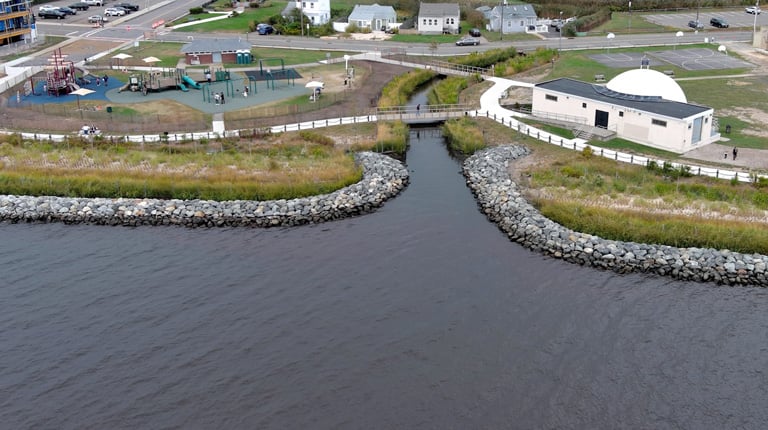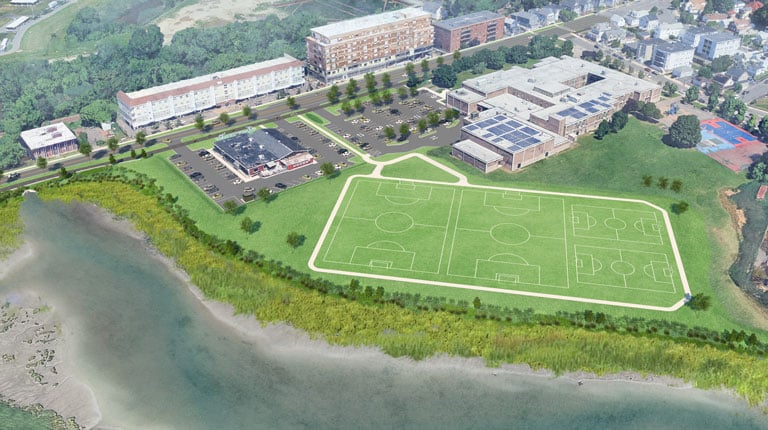
VHB completed a regional planning initiative to help rural coastal communities across Virginia’s Middle Peninsula prioritize investment in publicly-owned working waterfronts that support the commercial seafood and maritime industries.
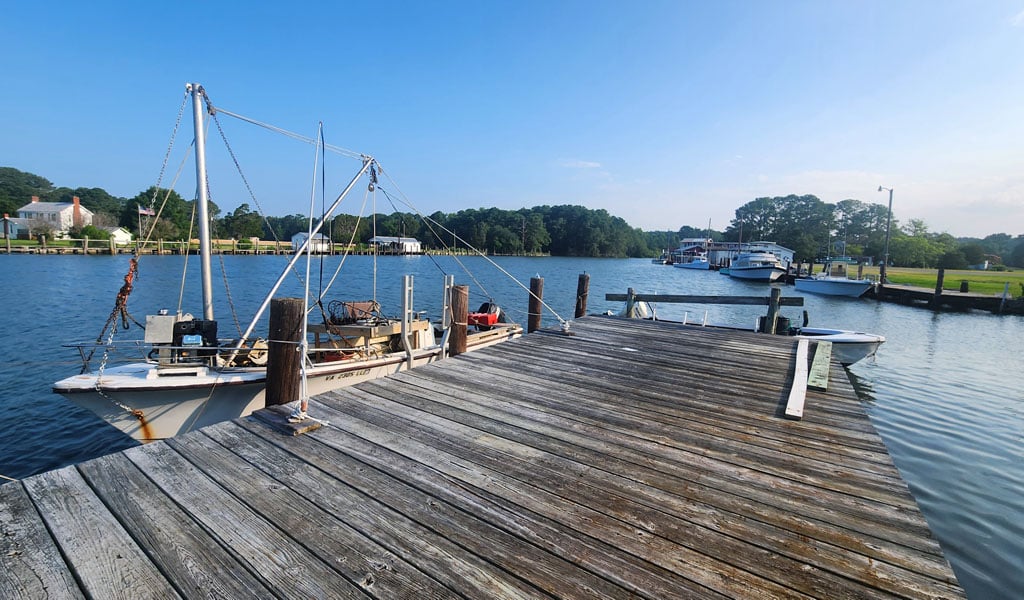
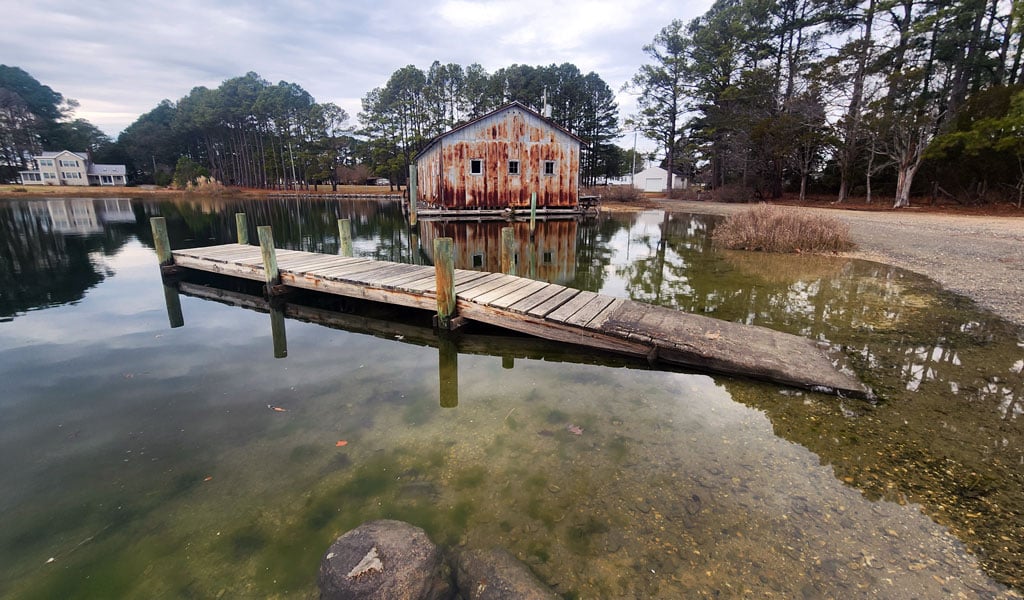
The effort addresses a common challenge facing coastal localities: aging waterfront infrastructure and limited funding that need clear, objective tools to guide decision-making. To support transparent prioritization, VHB conducted a comprehensive condition assessment of 65 publicly owned wharves, landings, and harbors, evaluating physical conditions, operational constraints, access, resilience, and readiness for investment.
The technical analysis was paired with outreach to working watermen and women to capture on-the-ground perspectives related to safety, efficiency, and getting seafood to market. These inputs informed a structured alternatives analysis and prioritization matrix that helped regional partners identify 11 priority sites for further planning and design. VHB’s recommended improvements include dredging, shoreline stabilization, and updated wharf configurations aligned with industry needs and funding opportunities.
The planning initiative has already resulted in grant success. Projects supported through the initiative recently secured two awards, including approximately $5.5 million for the Tappahannock Living Shoreline and Road Elevation Project and $250,000 for the Gloucester Point Recreational Area Resiliency Plan.
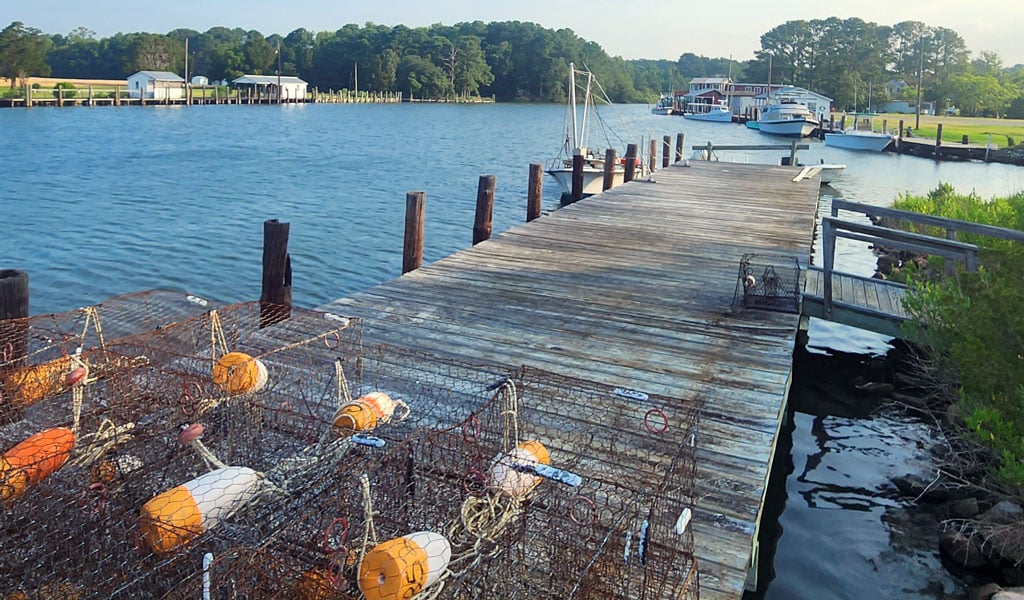
“Publicly owned working waterfronts are essential to rural economies, yet it's often challenging to prioritize investments with limited funding,” said Ricky Wiatt, VHB Project Manager. “This planning project has provided communities with a clear, objective path from assessment to action. It’s already helping turn planning into funded, implementable projects that strengthen working waterfronts for the long term.”
Learn more about Coastal Engineering & Resiliency at VHB.