

Forward-thinking insights focused on a more sustainable tomorrow.
Meeting People Where They Are: How Thoughtful Public Engagement Strengthens Our Clients’ Projects
April 2026
As planners, engineers, and designers, we spend a lot of time thinking about the future: future mobility, infrastructure, and communities. But the best ideas only move forward when they’re shaped with the people who rely on them. That’s why public engagement is essential to the work we do at VHB. When we create genuine opportunities for residents to be heard—and when we listen—we give our clients clearer insights, reduce uncertainty, and build long-term trust.
Recently, my colleagues Kristen Caouette and Caroline Ducas, along with the broader VHB team, partnered with a state transportation client to update its long-range rail plan. While states typically revisit rail plans about every decade, this effort stood out for its emphasis on robust community engagement—and for the chance to rethink how agencies connect with the public around major mobility decisions. This is Kaitlynne's story.
Designing an Engagement Strategy That Listens First
From the beginning, we approached this effort with a simple philosophy: meet people where they are. That meant recognizing different comfort levels, access needs, expectations, and communication styles—and designing tools that made participation as easy as possible.
Our strategy included:
- A broad, accessible online survey to understand how residents experience the rail system today, what they value, and what they want to see next. The survey drew roughly 1,300 organic responses plus 500 more through a vendor—an impressive level of participation for a statewide planning effort.
- Targeted stakeholder meetings, including one-on-one conversations with agencies and small group discussions with municipalities, to surface priorities and concerns early.
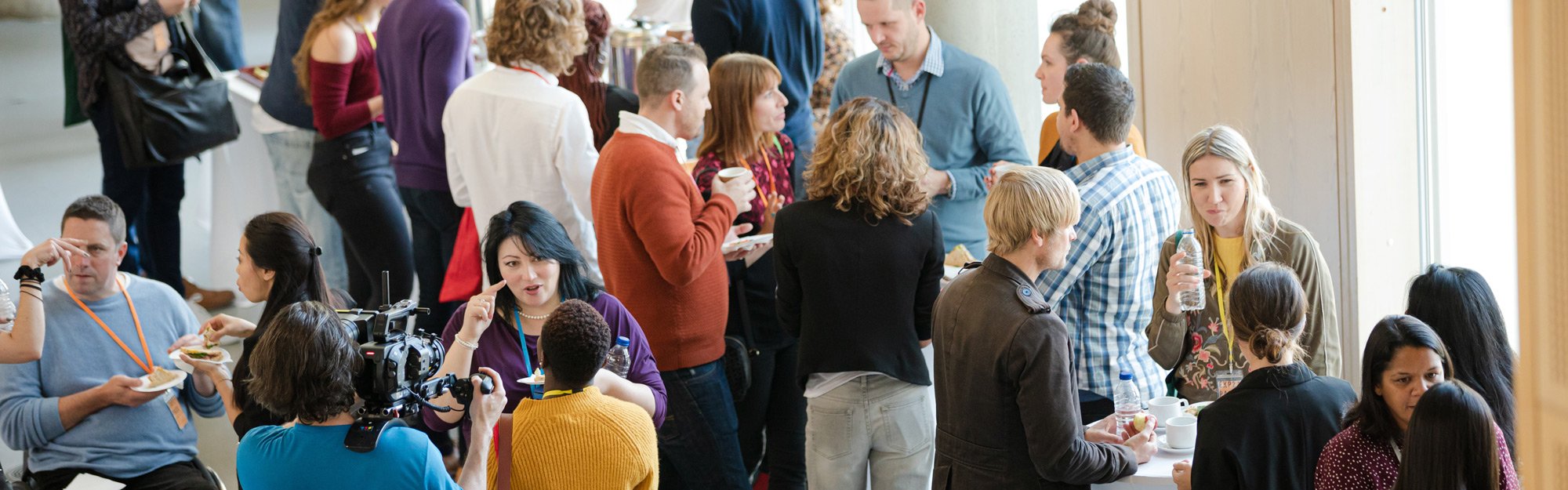
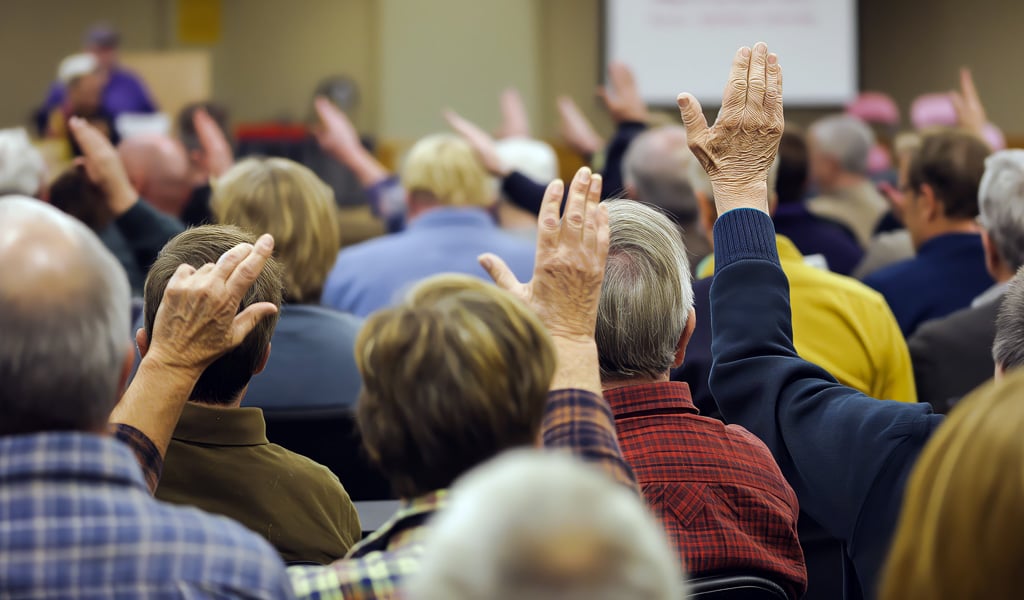
- A series of public meetings (two in person and one virtual) designed as listening sessions, not formal hearings. We used interactive tools, including Menti, to break the ice, gather quick input, and spark conversation. For many attendees, it was their first time using live polling, and the format was well received.
In one town, that approach paid off. More than 150 residents attended the in-person meeting, thanks in part to strong grassroots promotion, and the room was energized from the start. With digital tools, careful preparation, and local facilitation, the meeting became an open, productive dialogue about the future of rail in Rhode Island. Several attendees shared afterward that they appreciated having a space where they felt genuinely heard.
Our team and our client left that meeting inspired and recommitted to the work.
Technology That Brings People In
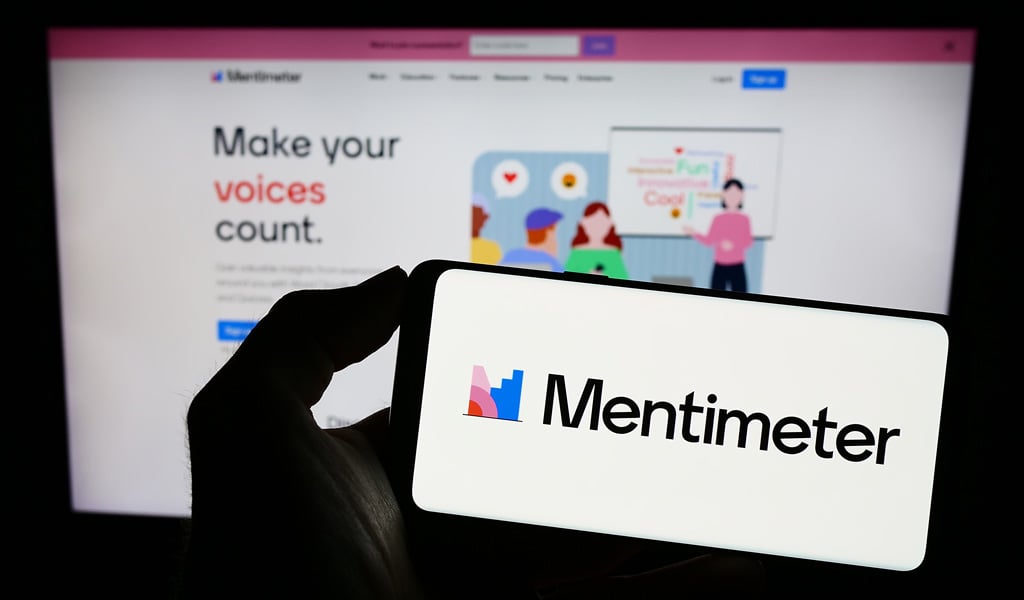
A key part of our success was using technology to elevate the experience for participants, not complicate it.
Many public agencies are adapting to changing expectations for engagement. Digital platforms, virtual access, and interactive tools require new thinking and new skills. As part of our preparation, we reviewed online conversations (including on Reddit) to understand community sentiment and anticipate questions. That helped us enter each meeting with a clearer picture of what people cared about most.
For the virtual session, we partnered with VHB IT professional Alan Belniak to make the meeting secure, accessible, and seamless. His guidance and rehearsal checklist helped the session run smoothly for both our client and the public. Several attendees remarked that it was one of the best-run virtual public meetings they had joined.
These details may seem small, but they matter. When technology works well, people feel more comfortable participating, and our clients receive richer, more representative input.
Why Local Voices Matter
One of the strongest advantages we bring to clients is our local presence. Engagement works best when residents feel facilitators understand their community—because they do.
Our local team includes planners, engineers, and engagement specialists who live here, grew up here, or have deep roots in the region. Referencing shared experiences, like the same challenging commutes, helped create connection and trust.
At the same time, we drew on teammates across VHB—technical specialists, planning leaders, and digital engagement professionals—who brought added perspective and skills. That combination is a hallmark of our approach: local knowledge paired with firmwide depth, with the right talent engaged at the right moment to support the client.
Giving Clients Confidence and Communities a Voice
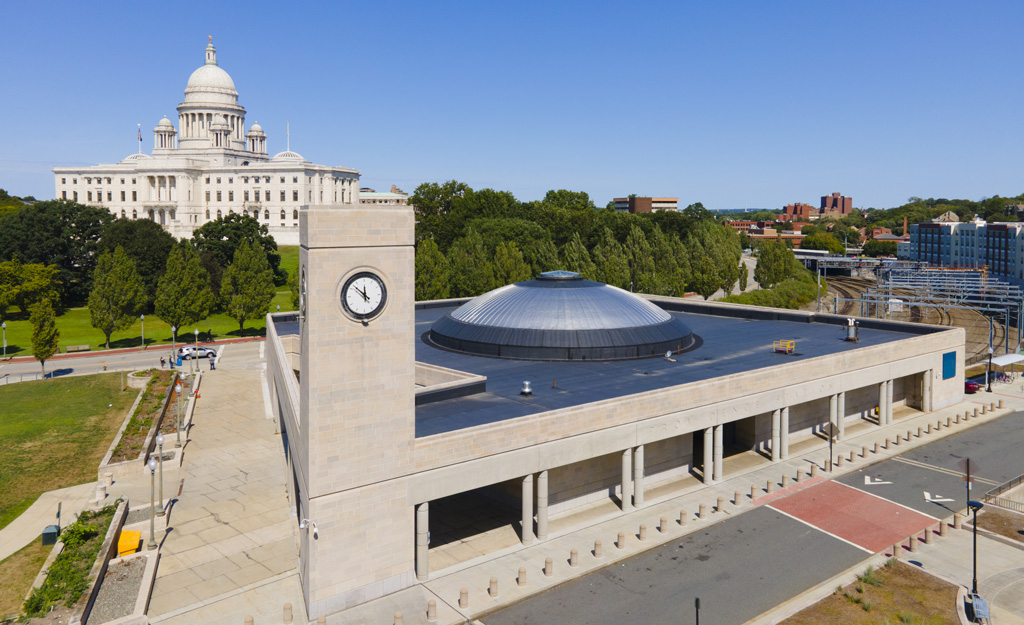
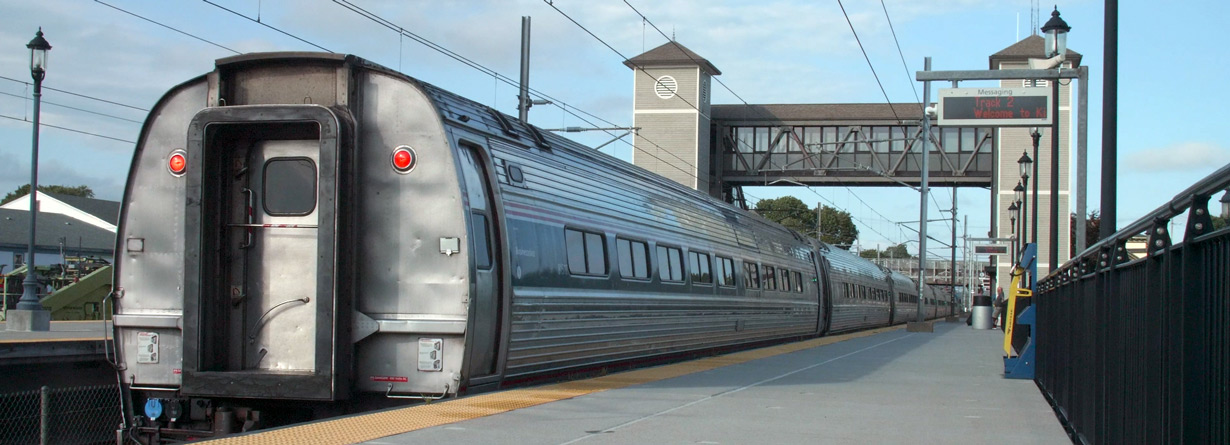
Providence train station and capitol building.
Public engagement isn’t about checking a box. Done thoughtfully, it can shape smarter plans, build trust, and create shared ownership of the future.
Whether we’re working with a major transit agency, a small town, or a statewide planning office, our goal is the same: create meaningful ways for people to participate, and help clients feel informed and supported throughout the process.
This rail plan effort reminded me why this work matters. It brought residents together, gave them space to share aspirations and frustrations, and helped our client better understand what people want from Rhode Island’s rail network. It also reaffirmed something that’s easy to lose sight of: even as consultants, we’re mission-driven. We do this work because it improves communities, connects people, and supports more resilient and equitable transportation systems.
Looking Ahead
As public expectations continue to evolve, agencies are at a turning point in how they communicate, collaborate, and engage. At VHB, we’re embracing the shift by pairing strong community relationships with thoughtful strategy and innovative tools.
We’re ready to support clients from early listening through final recommendations, in ways that reflect the people and places we serve.
Reach out to me by email or LinkedIn. I’m always happy to talk about how to more effectively engage community members.