

Forward-thinking insights focused on a more sustainable tomorrow.

Mercury Flooring: The Hidden Dangers and Potential Solutions
April 2026
School and municipal leaders are responsible for maintaining safe environments for students, staff, and the public. While many facility risks are visible and well understood, others remain hidden in plain sight—embedded within the buildings themselves.
Mercury-containing flooring, widely installed in schools and public facilities decades ago, is one such risk. Though durable and long considered safe, these floors can release colorless, odorless mercury vapor long after installation. Exposure to mercury vapor has been linked to neurological, kidney, and respiratory impacts, with children particularly vulnerable.
Despite growing awareness at the state level, no federal regulations currently govern mercury vapor exposure in schools or public buildings. As aging facilities undergo renovation, maintenance, or reassessment, understanding this emerging issue has become increasingly important for facility owners and operators.
The Rise of Mercury Flooring
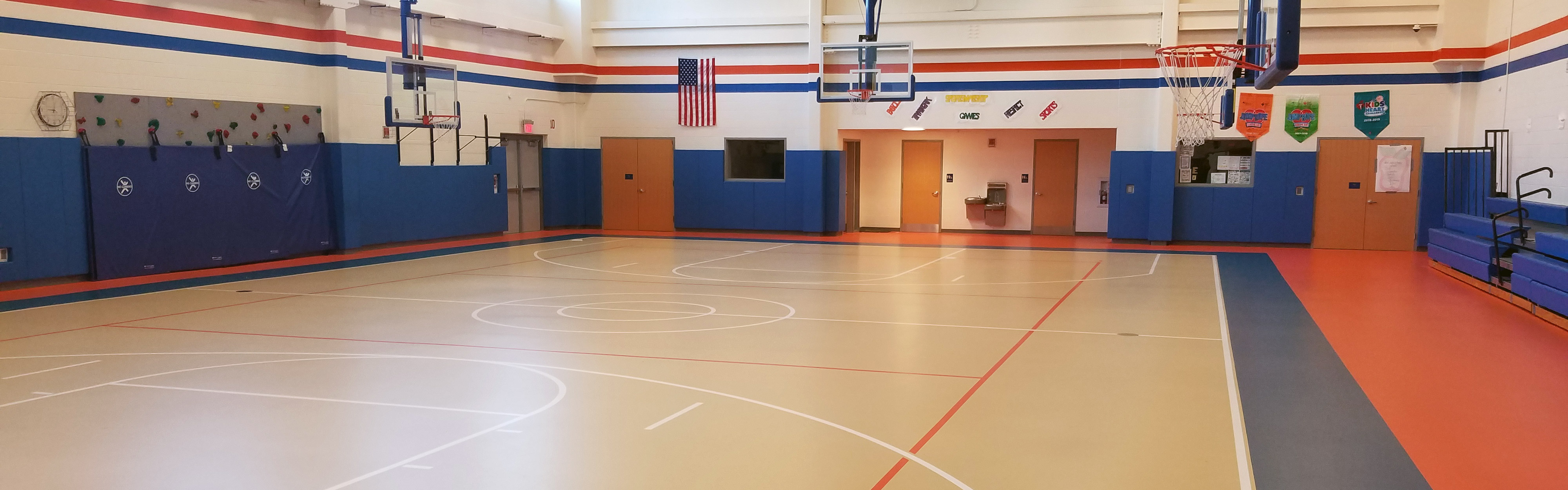
The rise of mercury flooring dates back to the 1960s when schools, hospitals, and athletic facilities looked for a resilient, cushioned, and non-slip solution for high-traffic areas. They turned to something called synthetic polyurethane.
Installed in liquid form directly over concrete subfloors, the material relied on a catalyst known as phenylmercuric acetate (PMA) to create a seamless, flexible surface.
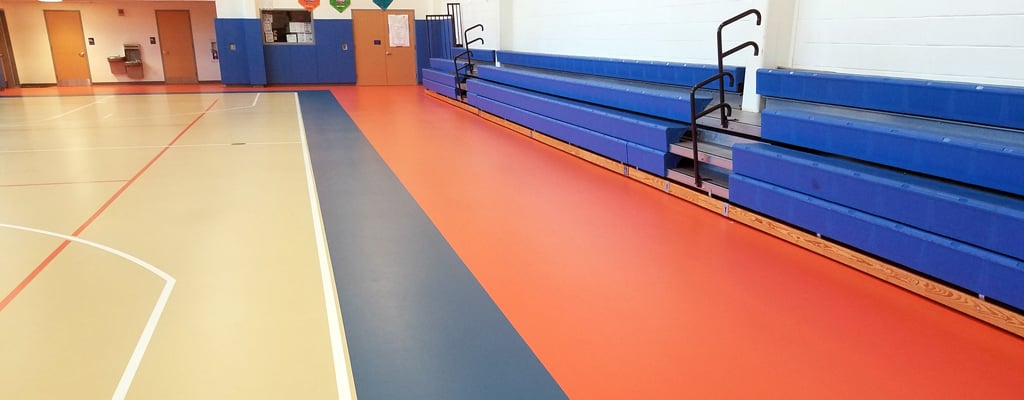
The flooring’s durability and usability made it a desirable surface for many purposes—basketball courts, cafeterias, even indoor running tracks. While the self-leveling, springy properties are shock-absorbing, its solid, seamless final state is also highly customizable and can match virtually any aesthetic. On top of that, mercury flooring also stays rubbery for longer and resists water damage.
Because of these benefits, mercury-catalyzed flooring became a go-to choice for public facilities through the 1990s, with some installations continuing into the early 2000s.
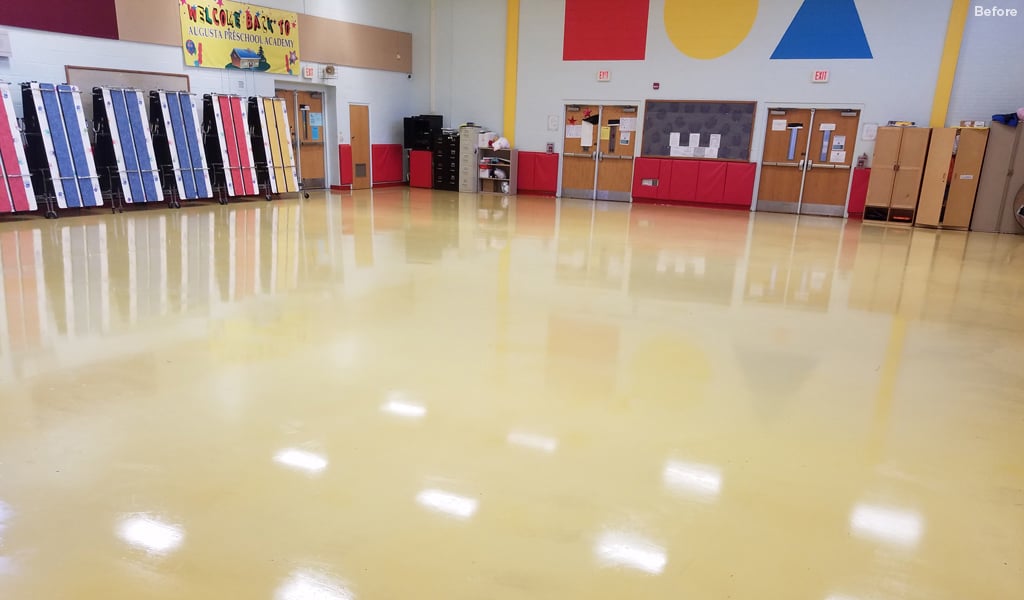
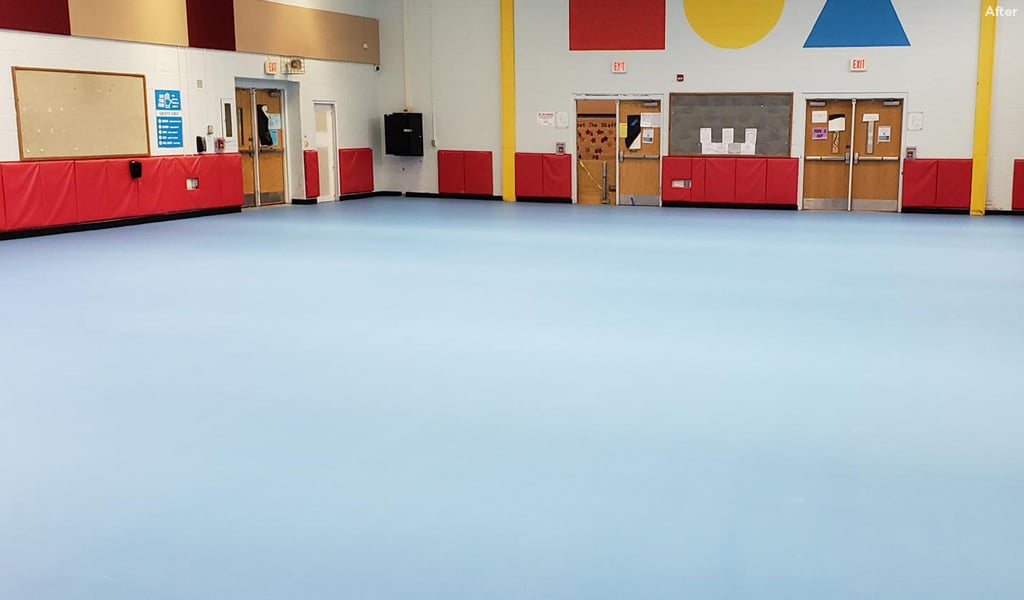
VHB worked with the New Jersey School Development Authority (NJSDA) to evaluate the potential presence of mercury-containing floors in local school district buildings. Once suspect flooring was identified, VHB’s Certified Industrial Hygienist (CIH) collected samples for analysis, performed a Risk Assessment, and found mercury vapor in the indoor air at concentrations exceeding the New Jersey Department of Health (NJDOH) threshold. VHB coordinated with the school district and NJSDA in the abatement design process, performed oversight of the abatement process, and performed final clearance sampling to verify that the mercury hazard had been effectively mitigated and replaced.
Reevaluating a Once-Trusted Material
Initially, it was believed that the mercury within these floors couldn’t escape due to protective polyurethane coatings. However, schools in New York and New Jersey have been at the forefront of discovering that this flooring material may cause more harm than originally thought.
As it turns out, these floors emit odorless, colorless mercury vapor. While vapors emit at even room temperature, exposure worsens if floors are damaged or in hot rooms with poor or no ventilation.
While there are no federal laws or regulations controlling the amount of mercury vapor in homes or schools, agencies like the Agency for Toxic Substances and Disease Registry (ATSDR) recommend certain maximum quantities at the state and federal level. Additionally, New Jersey Education Administration (NJEA), in conjunction with New Jersey Work Environment Council (WEC) and the Healthy Schools Now (HSN) Coalition, has released a report citing mercury flooring hazards and guidance to reduce and/or eliminate exposure.
In response to growing concerns, New York State and several others have banned the use of mercury flooring entirely.
Understanding Exposure and Health Risk
The key concern lies in the chemistry of the flooring itself. PMA does not disappear over time; instead, it slowly breaks down, releasing elemental mercury vapor. Floors installed decades ago may still off-gas mercury today.
Risk varies significantly from building to building. Some floors produce minimal vapor, while others exceed recommended thresholds and require corrective action.
Symptoms for mercury exposure can include:

Children are particularly sensitive due to their developing nervous systems. Additionally, routine maintenance or renovation activities can increase vapor release, potentially exposing both occupants and workers. In certain cases, furnishings and equipment may even absorb mercury vapor and later re-emit it into indoor air.
Offering a Solution
Addressing the hazards mercury flooring presents is a process similar to many hazardous materials, like asbestos. A Certified Industrial Hygienist (CIH) leads a typical three-step process to carry out analysis and action:
-
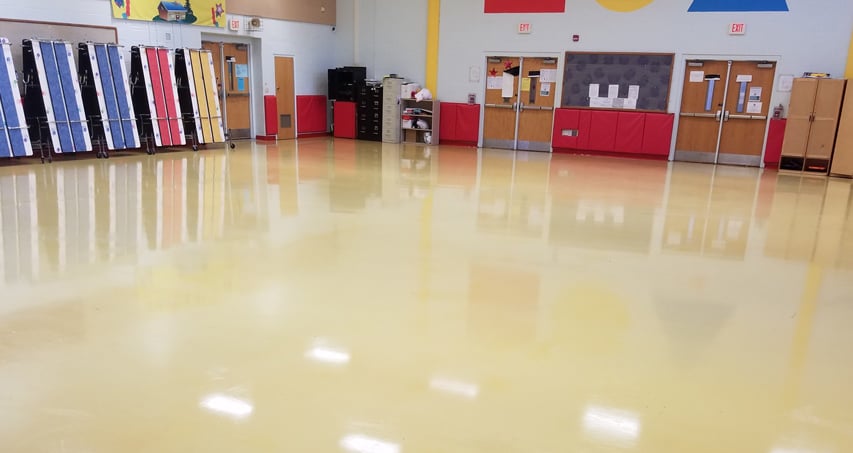
1. Identify suspect flooring
Based on age, location, and material type.
-
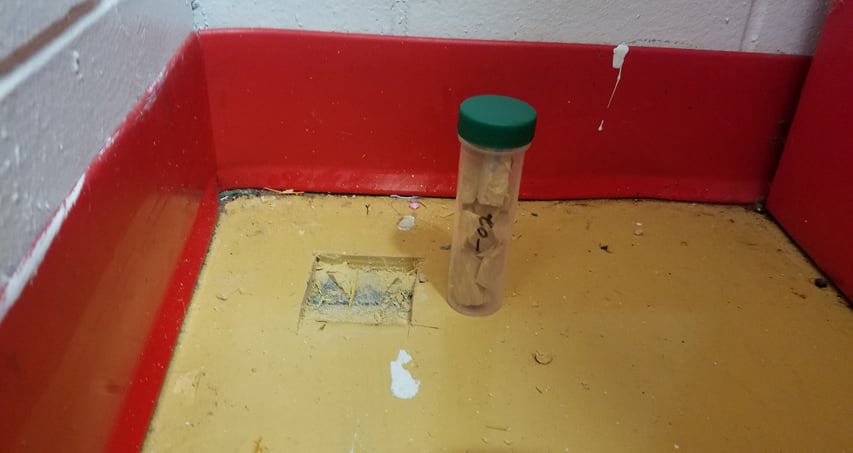
2. Collect bulk samples
From discreet locations (under bleachers, in corners, under base moldings, etc.) and perform laboratory analysis to determine if mercury is present.
-
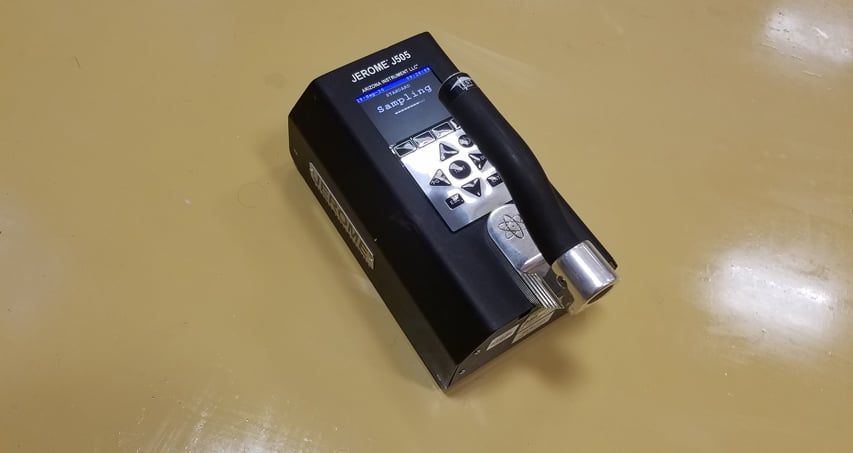
3. Perform a risk assessment
If the presence of mercury is confirmed to help determine the best course of action.
From there, the CIH evaluates the mercury vapor concentrations in the air to determine if it is impacting the indoor environment and what response action should be taken. If the results are within thresholds established by the Department of Health, a solution may be as simple as periodically monitoring the conditions.
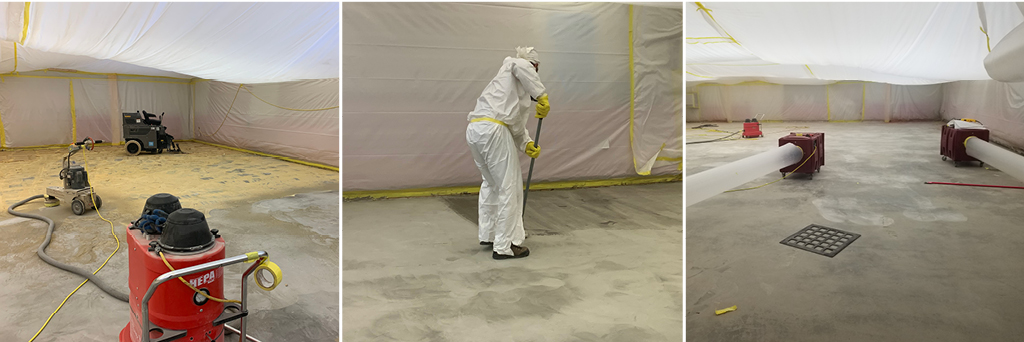
If the results exceed established thresholds, the CIH will help find an appropriate solution, like vapor mitigation. However, the only true way to permanently eliminate the risk of mercury hazard is to abate the floor, which involves decontamination processes before replacing the floor with a new surface.
How VHB Can Help
Not all floors have mercury or enough mercury to warrant abatement. Each floor is evaluated individually by the CIH, and those results vary from building to building. VHB is well versed in the procedures established by New York State, the New Jersey Department of Health, and the Occupational Health Surveillance Program for assessing mercury containing floors. Because this is an emerging issue nationwide, we also monitor new technical guidance as it becomes available across the U.S.
While no federal regulations currently restrict the use of PMA flooring, VHB provides comprehensive environmental consulting and abatement design services when remediation is necessary.
Our team includes both a CIH and a Certified Indoor Environmental Consultant (CIEC)—a combination of credentials that is uncommon and often required to meet state agency expectations for mercury floor evaluation and mitigation. This technical experience, coupled with strong relationships with abatement contractors, allows us to deliver scientifically sound, practical solutions tailored to each facility.
With more than 30 years supporting educational and public sector clients, VHB is at the forefront of identifying mercury flooring in schools and public buildings and implementing effective mitigation strategies.
Is your school or municipal facility faced with challenges resulting from mercury flooring? Contact Chris Glowacki today to begin analysis, remediation, and abatement—and planning for a safer tomorrow.