As population and employment growth accelerate along Florida’s Interstate 4 (I-4) corridor, VHB is working with major healthcare providers to design next-generation medical facilities that respond to shifting demographics, increased demand, and evolving patient expectations. From the Orlando metro area to Lakeland and Tampa, VHB’s landscape architects, planners and engineers are aligning site design, infrastructure, and the built environment to elevate Florida healing environments.
The I-4 Corridor Encompasses Growth, Tourism, and New Models of Care
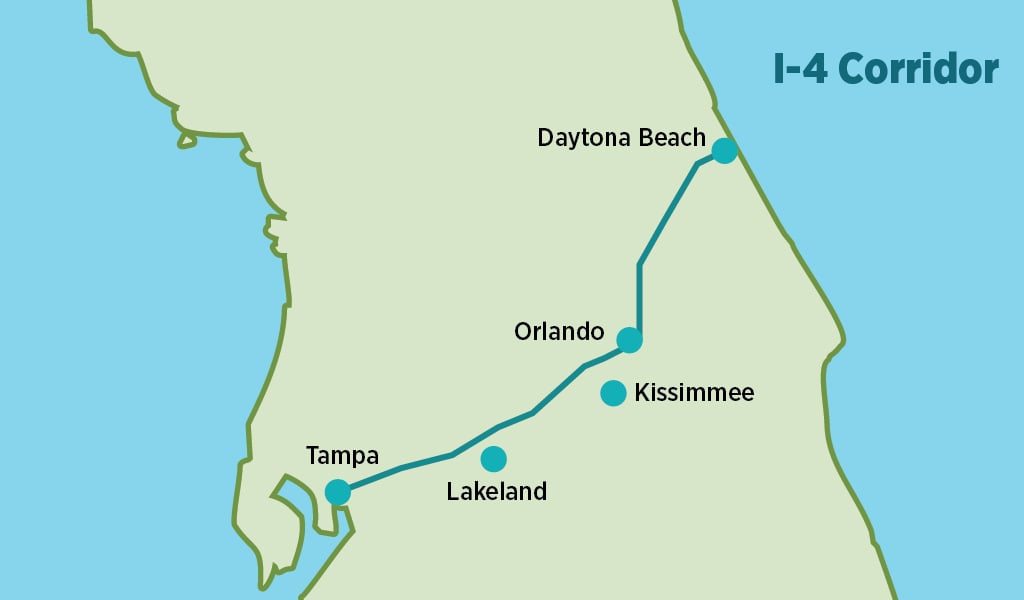
The I-4 Corridor stretches 132 miles across Florida from the Gulf to Atlantic Coasts, (including through one of the busiest tourist destinations in the U.S.), and many visitors need care while far from their primary providers. The removal of Florida’s Certificate of Need (CoN) requirements in 2019 opened the door to more competition among hospitals, health systems, and specialized providers—spurring rapid expansion into new geographies and a renewed focus on patient experience, staff recruitment, and brand.
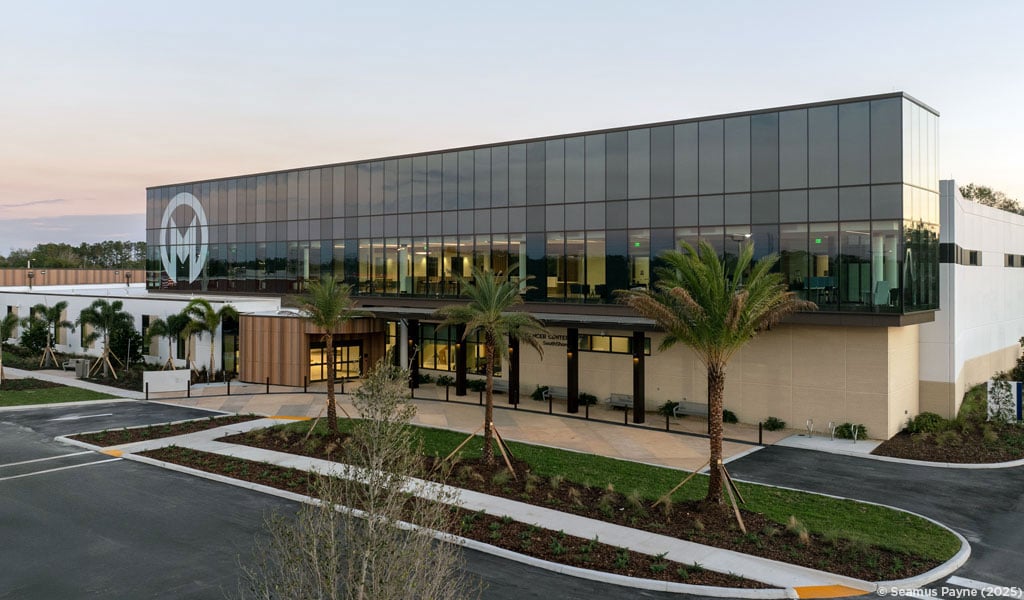
As systems expand, new freestanding emergency departments (FSEDs), urgent cares, ambulatory surgery centers, and medical office buildings are playing a growing role in reaching patients closer to where they live and work.
“Healthcare in Florida follows the movement of people and jobs,” said Tyler Johnson, Southeast Institutions Marker Leader. “Providers are competing not just on services, but on the quality of the spaces they offer. Natural light, circulation, clear wayfinding, thoughtful layouts, and well-designed landscapes are now essential to attracting patients and staff and delivering a healing experience that feels calm, intuitive, and dignified.”
VHB has worked with clients—including AdventHealth, Orlando Health, Lakeland Regional Health, BayCare, HCA, and Moffitt Cancer Center—to plan and design facilities that respond to these trends along I-4.
In and around Lakeland, whose Lakeland Regional Health (LRH) is home to one of the busiest emergency departments in the country, VHB is supporting or has completed projects that include freestanding emergency department for LRH and Orlando Health; a new Orlando Health Hospital and associated outpatient facilities; and a Veterans’ Affairs (VA) outpatient clinic.
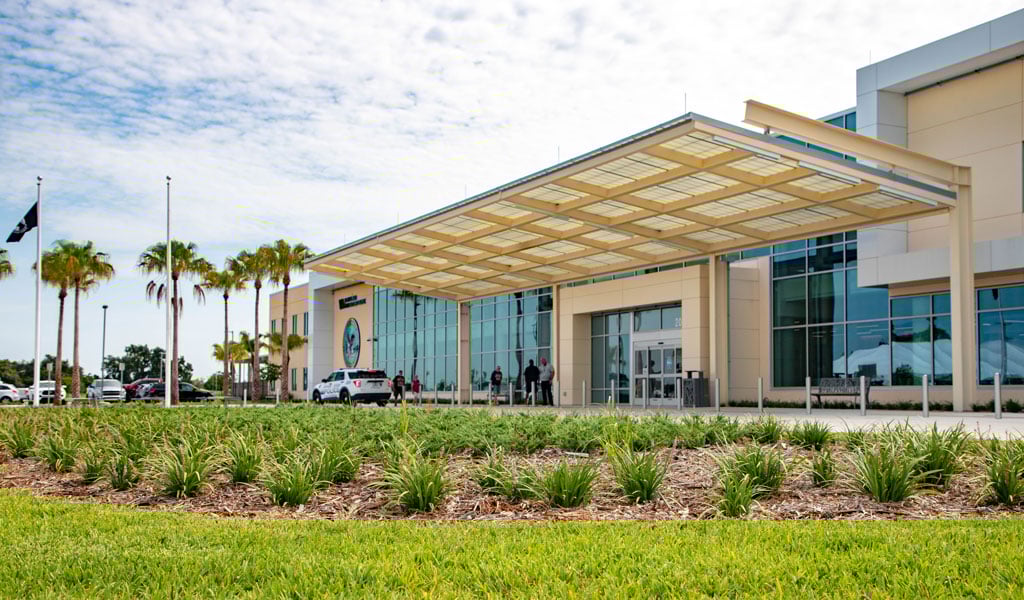
In many places these facilities are emerging alongside new planned communities, expanding employment centers, and educational anchors such as Florida Polytechnic University, and integrating healthcare into mixed-use, walkable districts instead of isolated campuses.
Architecture and Urban Design at the Center of Care
With increased competition for patients and staff, healthcare providers are treating architecture, interiors, and landscape as strategic assets. They are incorporating evidence-based planning and design principles that put architecture and the public realm at the heart of the healing experience.
Strategies include architectural clarity and transparency; interior organization that reduces stress at key decision points and supports efficient clinical workflows; landscape as healing infrastructure with outdoor respite spaces, gardens, plazas, and pedestrian networks that give patients, staff, and visitors time to disconnect; and spaces that support the healing process by coupling nature’s therapeutic influence with warmth and welcoming.
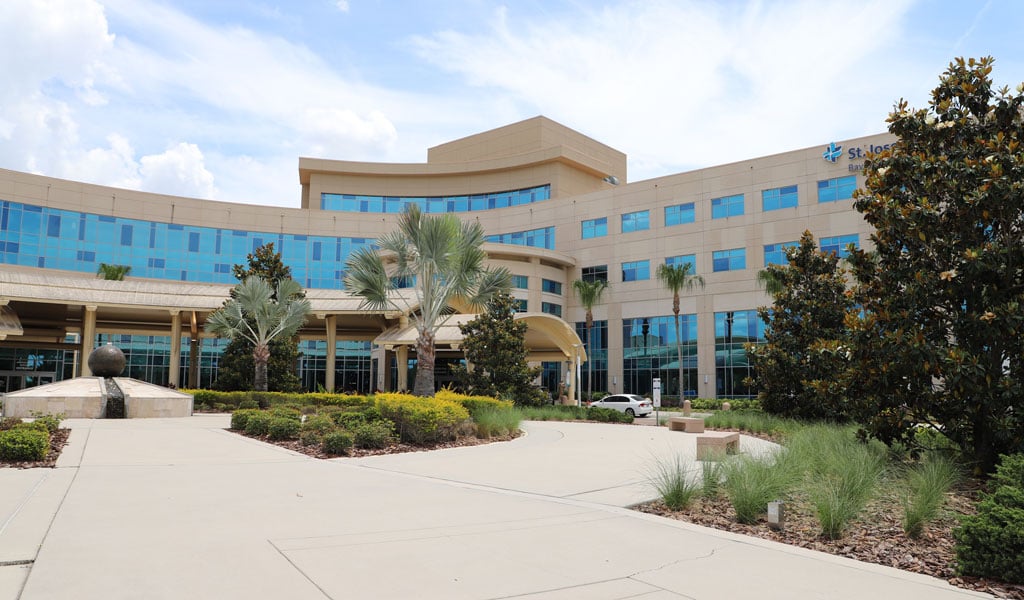
Integrated Services for Complex Healthcare Campuses
To help clients keep pace with growth, VHB’s integrated approach brings together planners, engineers, designers, and technology specialists from the outset, helping healthcare facilities streamline campus circulation, utility and building systems, and site design in a coordinated, cost-effective way. By aligning clinical, operational, and infrastructure needs across disciplines, we can create safer, more resilient, and patient-centered environments that support patient healing and provide healthcare systems with long-term flexibility and growth.
“As providers expand along the I-4 corridor, they’re not just building hospitals and clinics—they’re building civic landmarks,” Tyler said. “VHB’s role is to help architecture, landscape, and infrastructure work together so these facilities feel open, connected, and rooted in their communities. When we get that right, we’re not only improving access to care; we’re helping define the character and resilience of central Florida’s fastest-growing places.”
Learn more about healthcare institutions at VHB.