The retail environment is continually evolving, but one thing remains constant: successful retail chains depend on their ability to expand efficiently. Growth requires moving quickly from site selection to construction while navigating local regulations, community expectations, and changing consumer demands. The retail chains that master this process are the ones that successfully grow their footprint and market share.
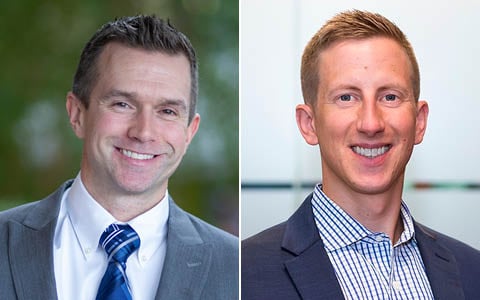
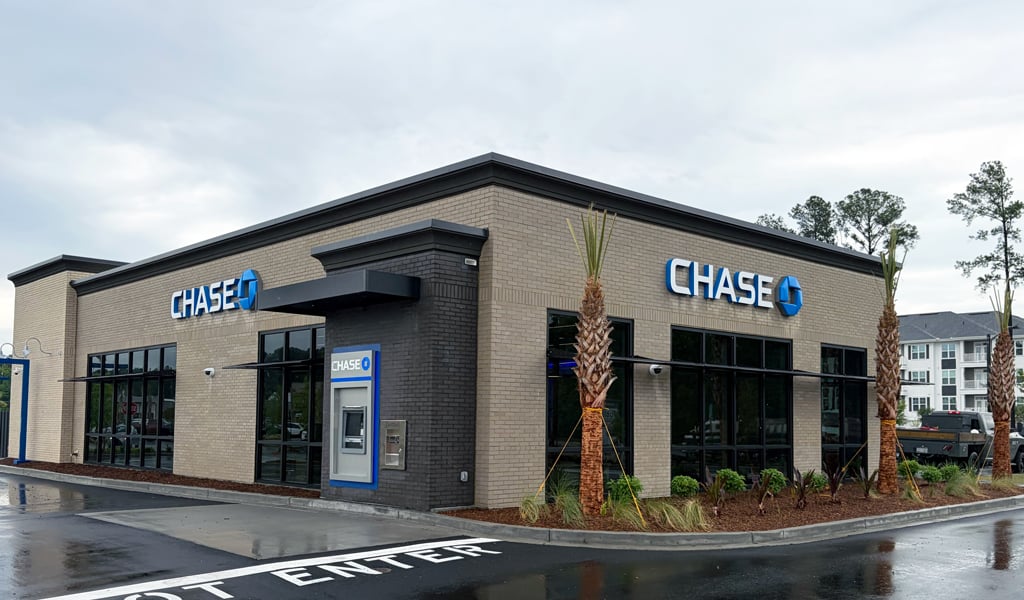
Mark Grocki and Peter Doster serve as Retail Program Managers, helping clients manage their expansion strategies and development programs. Their experience spans from single-tenant retail establishments, such as quick service restaurants, pharmacies, convenience stores and gas stations, and banks to grocery stores and big boxes.
We spoke to Mark and Peter about what they are seeing across the market, what makes retail programs successful, and how VHB helps clients scale with confidence.
VHB: What are the biggest shifts you are seeing in how retailers approach their physical footprint and site strategy?
Peter: Retail programs are still growing, but the definition of a successful retail experience has broadened. Clients are thinking carefully about where they locate, how their brand shows up in a market, and what kind of experience they're creating for customers. There's strong momentum behind convenience retail and service-based formats, but we're seeing renewed interest in retail programs being incorporated into town centers—walkable environments and places that create more of a destination experience.
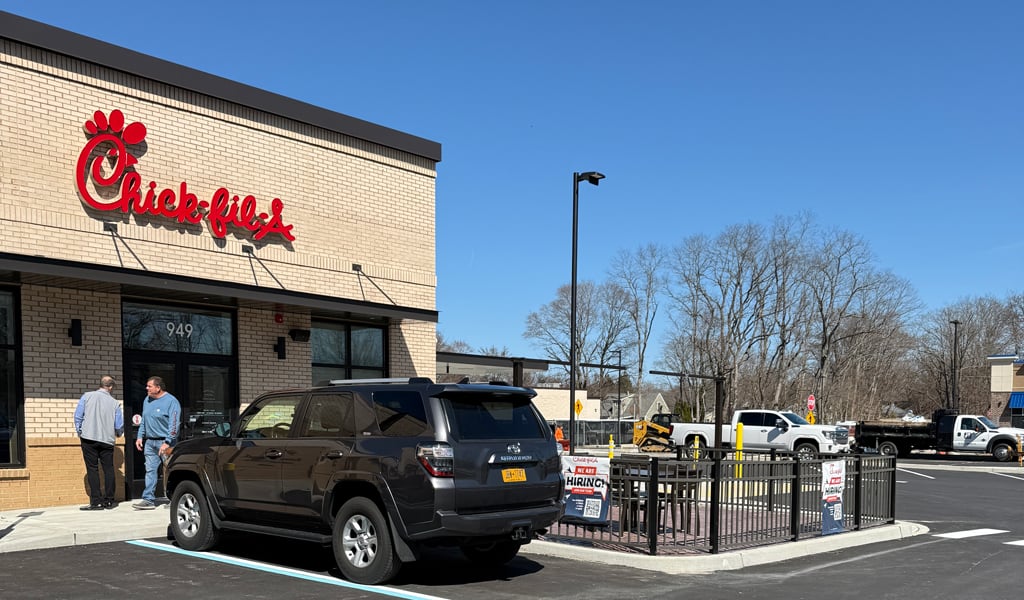
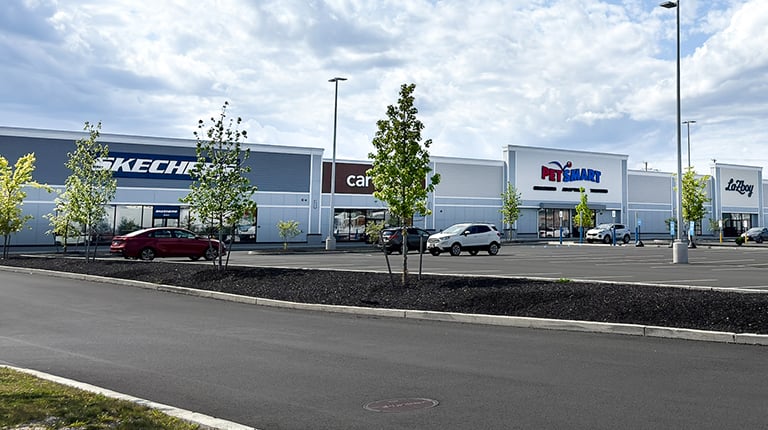
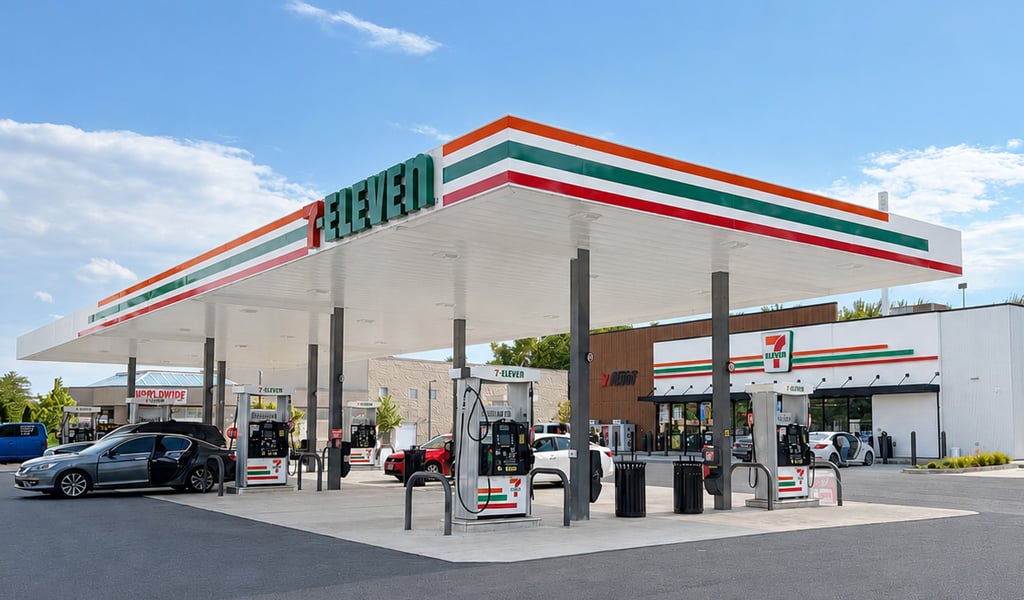
Mark: In New England and the Northeast region, we continue to see strong activity around one- to two-acre sites with compact retail footprints that support convenience-oriented uses such as coffee shops and quick-service restaurants that prioritize the customer experience. Many retailers prefer outparcel locations with dedicated parking adjacent to grocery-anchored retail or big-box stores where utilities and infrastructure already exist. This approach streamlines leasing and accelerates speed-to-market in high-traffic areas with concentrated foot traffic.
VHB: How do retailers balance speed to market with regulatory compliance while advancing construction plans?
Mark: It starts with thorough due diligence and research. If you don't understand the zoning requirements, necessary variances, permitting pathway, and local regulations at the outset, delays are almost inevitable. We invest significant time upfront to understand the municipality, the entitlement process, and technical requirements—whether that involves stormwater management, site access, planning and zoning approvals, or state-level review. That groundwork sets the project up for a smoother approval process and a more direct path to construction.
VHB: How does local knowledge impact permitting and project outcomes for retailers entering new markets?
Mark: Local knowledge can have a major impact on both schedule and outcome. Understanding municipal and state regulations, and how local and state approval processes work, as well as what communities care about, helps us identify potential issues early in the development process and gives clients a much more predictable path forward.
VHB: Retail projects often face site, entitlement, environmental, and access-related challenges. How does an integrated team help identify risks early on and keep projects on track?
Mark: An integrated team provides value because retail projects move fast and often involve multiple layers of complexity. One of the real strengths of VHB is that we can bring in the right people quickly, whether that's for planning, traffic analysis, environmental insight, site constraints, or permitting strategy. Our access to in-house experience helps keep projects moving forward and supports better decision making from the outset. The advantage of our integrated services approach is that we can scale the support to match the site while still keeping the project on track. For example, when projects require State Department of Transportation (DOT) coordination, our transportation professionals' existing relationships with State DOT’s and process knowledge help identify and resolve issues more quickly.
VHB: What differentiates successful retail programs when scaling across multiple markets?
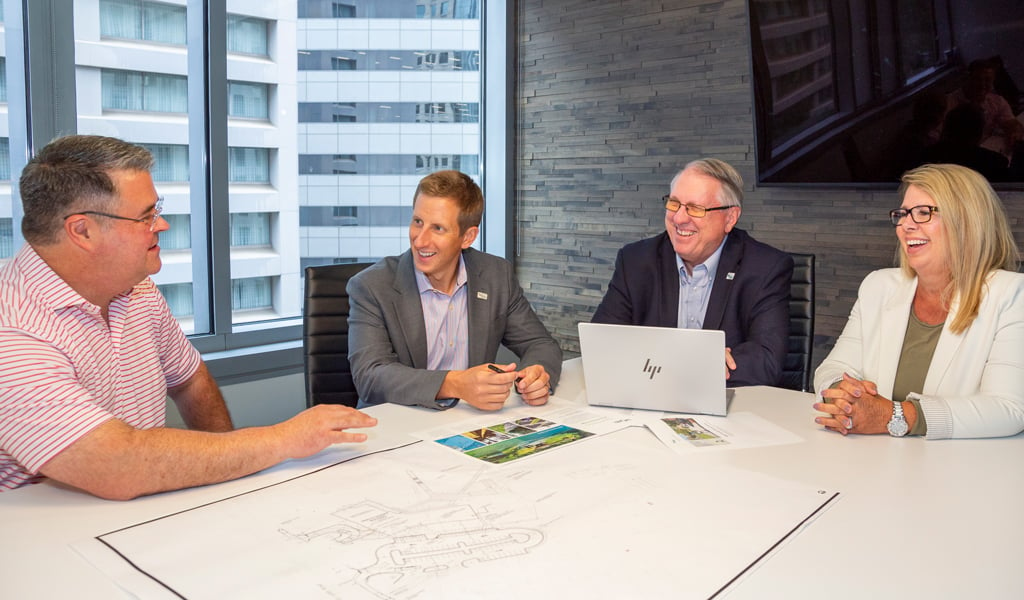
Peter: Communication and continuity are essential. Retail programs often start strong in one region where teams understand the client's standards, project tracking systems, and pace. The real challenge emerges when expanding into new markets. VHB's Retail Program Client Managers provide continuity across our footprint while aligning local teams to deliver regional knowledge and execute projects effectively.
Success requires delivery teams to become fluent in client standards, their detailed specifications and standard drawings. VHB invests time learning these standards to operate as an extension of the client's team. Retailers scaling into new markets typically prioritize highly visible sites that drive traffic and brand recognition, then broaden their reach within the community once the first site succeeds.
VHB: What's one key lesson from retail programs that has shaped how you lead teams and advise clients?
Peter: Managing retail programs requires a significant amount of day-to-day coordination. We hold weekly meetings with our retail program clients and provide updates on projects in various stages, often managing requests from multiple stakeholders. Successful retail programs need strong project leadership—someone who manages the client relationship, leads the internal teams, and keeps projects moving forward to meet critical milestones and opening day schedules.
VHB: Looking ahead, what excites you most about the future of retail, and where do you see the greatest opportunity for innovation or smarter delivery?
Mark: It's exciting to be part of redevelopment projects that are reshaping prominent community spaces. Some of the most interesting retail work happening today does not just involve building a new store—it's about transforming an area into something more vibrant and better connected to how people want to live today.
On the delivery side, technology improves efficiency in areas like site and code research. VHB uses AI to streamline variance applications and expedite submittals. These tools create efficiencies that allow our team to focus more time on strategy, helping clients make informed investment decisions.
Peter: I am excited to see brick-and-mortar retail continue to evolve in ways that are more community-centered and experience-driven. We're seeing renewed interest in town centers, walk-up retail, and places where people want to spend time, connect, and be part of a neighborhood. Retail is not going away, it's evolving, and that creates room for new concepts, new brands, and new ways of thinking about physical space.
Learn more about our Retail experience at VHB or connect with Peter Doster and Mark Grocki.