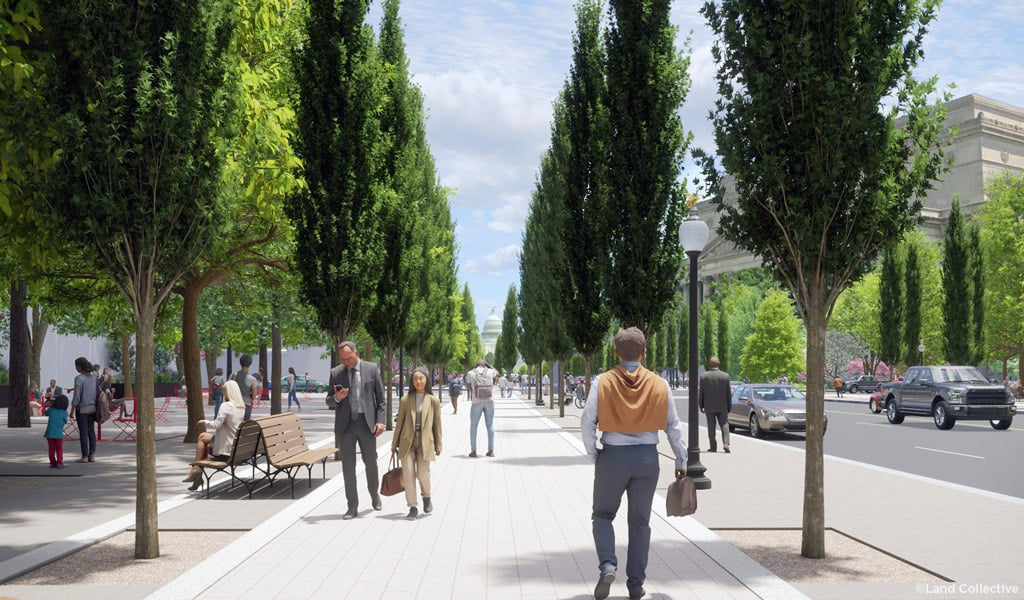
VHB is part of the core design team supporting the planning, design, and environmental review of Pennsylvania Avenue in Washington, DC. The firm is partnering with DAVID RUBIN Land Collective and BBB Architects, working closely with a partnership that includes the National Capital Planning Commission, National Park Service, General Services Administration, District of Columbia government, Downtown DC Business Improvement District, and Events DC. Together, the team is advancing a vision for the corridor between the U.S. Capitol and the White House—one of the nation’s most iconic corridors, serving as both a national stage and a vital everyday street.
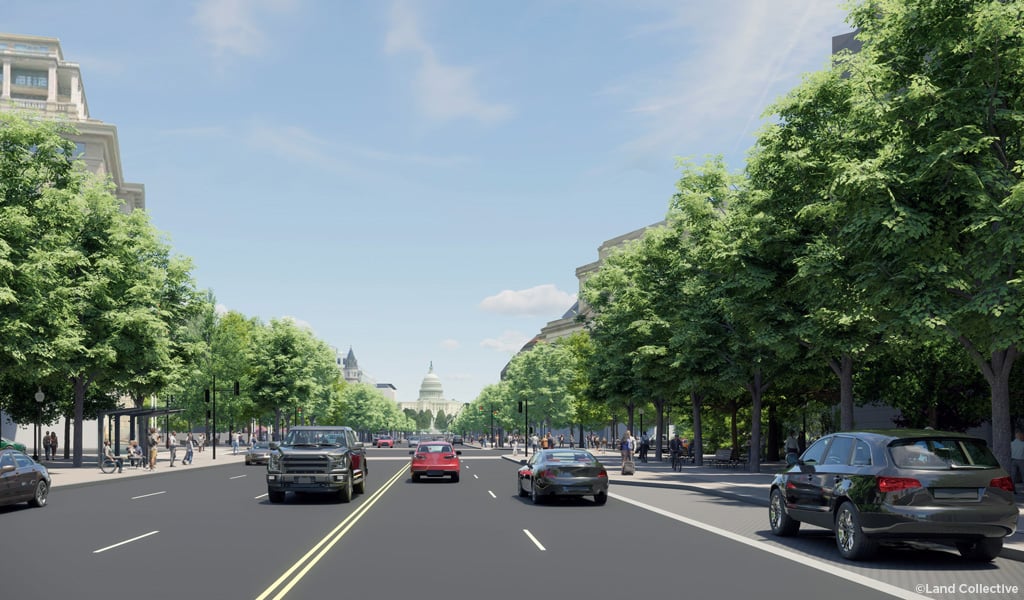
Now in its second year, the project recently reached a major milestone as the team shared its full design concept publicly for the first time. This comes as public engagement continues, and momentum builds following the Commission’s unanimous April approval to advance the plan.
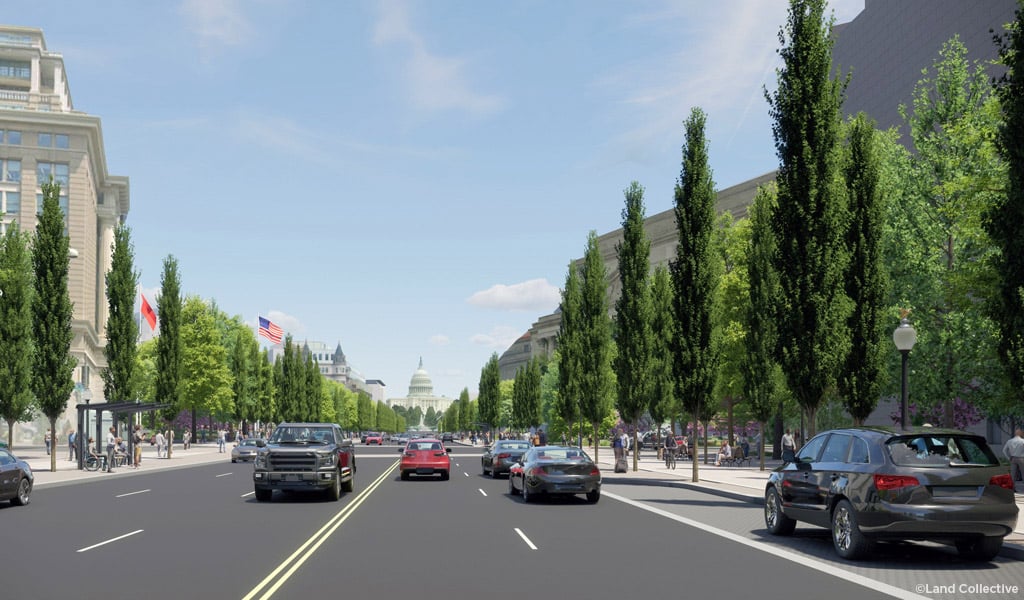
Pennsylvania Avenue serves as both a symbolic and functional spine of the nation’s capital, hosting national events, daily commutes, and public gatherings while connecting some of the country’s most recognizable landmarks. The project reflects the corridor’s unique role, balancing mobility, security, and placemaking while preserving its historic character and positioning it to serve future generations. Recent public outreach, including online meetings and a display at the National Building Museum, drew feedback and discussion that will inform how the vision evolves.
“There aren’t many projects where you’re designing for both a presidential inaugural parade and the everyday commuter,” said Doug Davies, VHB project manager. “This corridor must serve both and do it well. It’s one of the few streets in the world that belong to everyone and to history at the same time. Every decision we make has to respect what came before it and help shape what this place will be for generations ahead.”
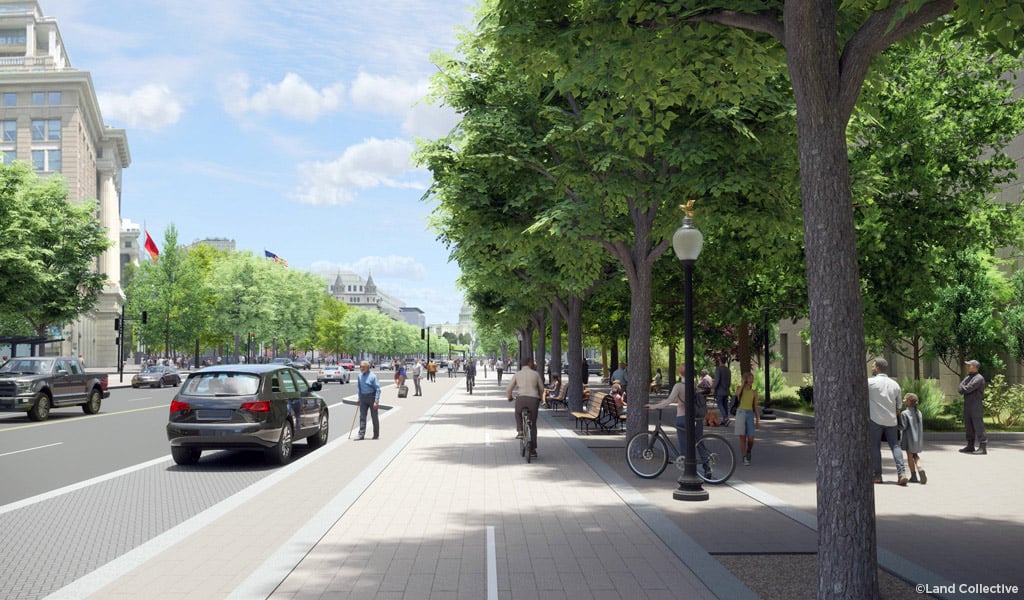
Looking ahead, the team is advancing environmental review and concept design development, including surveying below ground conditions and utilities across the corridor. With funding for additional technical analysis secured and strong collaboration among partners, the project is moving into its next phase, focused on refining the design and preparing for future implementation.
Learn more about how VHB is shaping Washington, DC.