

Forward-thinking insights focused on a more sustainable tomorrow.
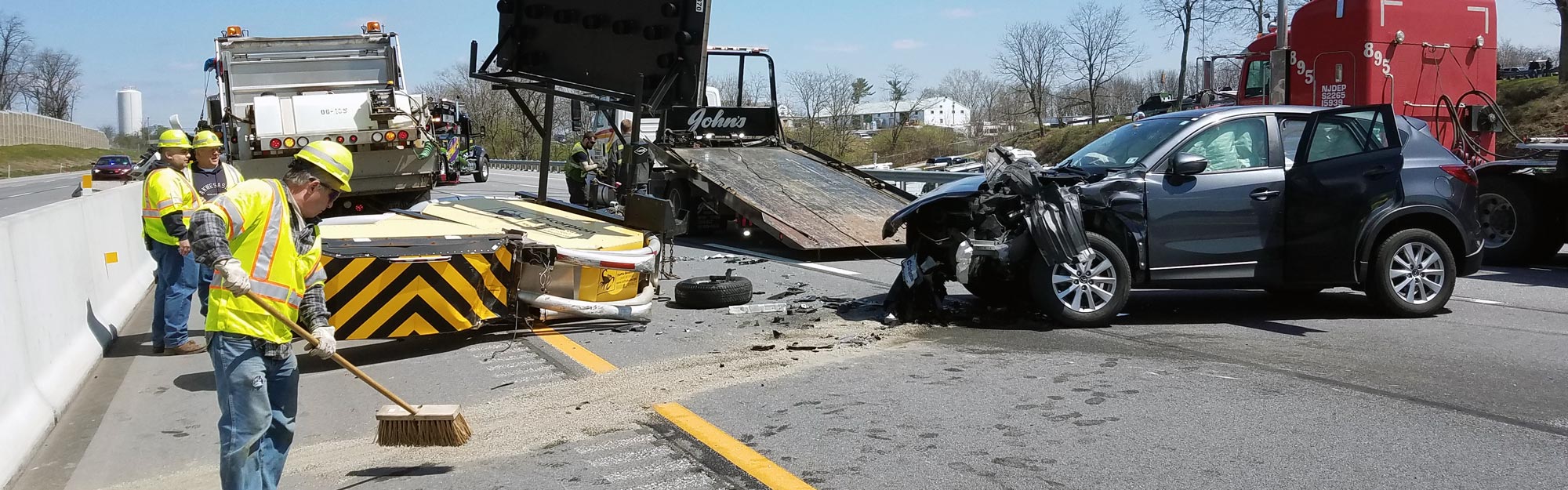

Post-Crash Care: An Integrated Approach for Aligning Response, Operations, and Roadway Safety
July 2026
With experience spanning transportation operations and emergency response, Dave Wolfe offers a unique perspective on roadway safety. Over his career, he has worked in the public sector, supported major transportation agencies, and served as a volunteer firefighter since 1996.
This firsthand experience allows Dave to connect planning and engineering decisions with what happens on the roadway in real time. Today, he works with agencies to strengthen post-crash care, bringing teams together, improving coordination, and helping transportation professionals better understand the responder perspective.
Through his work at VHB, Dave helps clients translate insight into action, supporting safer outcomes for both the traveling public and the professionals who respond when it matters most. This is Dave’s story.
Seeing Roadway Safety from Both Sides
Over the course of my career, there have been days where I’ve seen both sides of roadway safety firsthand, a unique perspective.
I’d spend part of the night responding to a crash as a volunteer firefighter, and the next day I’d be in a meeting representing transportation operations, sometimes sitting across from the same responders I had just worked with the night before.
That experience shaped how I think about safety. It showed me how closely connected response, operations, and design really are, and how much stronger outcomes can be when those perspectives come together as part of advanced transportation systems.
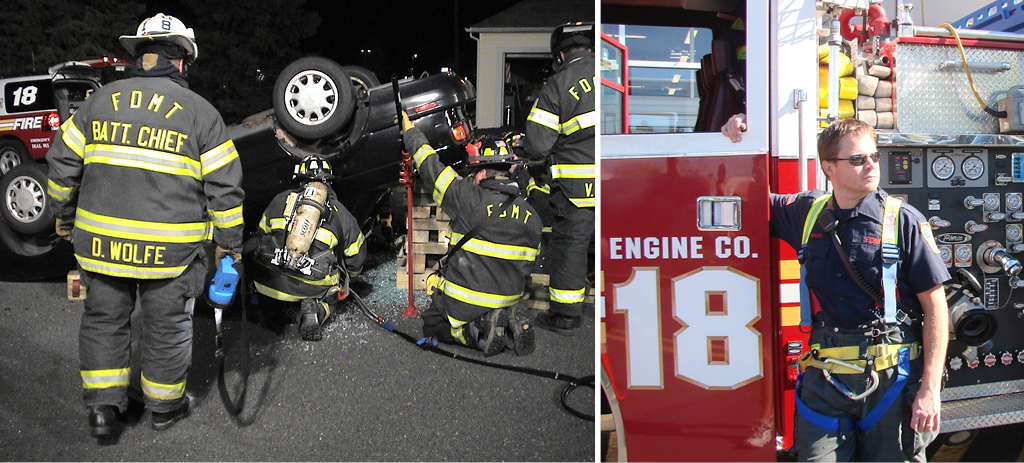
Understanding Post-Crash Care
Post-crash care builds on and greatly enhances what many agencies have traditionally known as Traffic Incident Management (TIM). It expands that focus beyond response and clearance to include coordination, medical care, and overall outcomes.
It involves transportation agencies, law enforcement, fire and rescue, EMS, towing operators, and many other disciplines working together in real time. Each brings a critical role to the response, and strong coordination is key to keeping people safe and restoring the roadway quickly and efficiently.
What Responders Experience
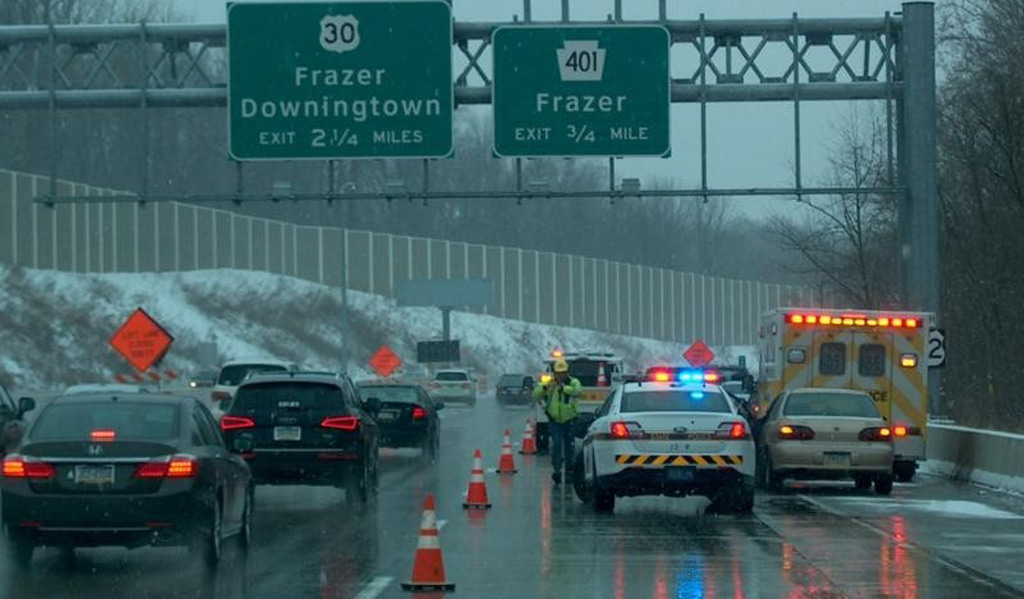
On the roadway, responders see how planning and design hold up in real time, offering insight that can shape safer outcomes.
Transportation professionals rely on data, standards, and design guidance, and that work is essential to building a strong foundation for safer roadways and a sustainable transportation system. Responders bring another important perspective to that foundation by seeing how these plans perform under real-world conditions.
On the roadway, conditions evolve quickly. Responders are making decisions in dynamic environments, often in low visibility, high-speed, and high-stress situations, navigating traffic, positioning vehicles for protection, and working within the physical constraints of the roadway while focusing on the people involved.
They also see firsthand how drivers react in the moment, how quickly a situation can change, and how elements like access, visibility, and work zone setup influence response and mobility. For example, something as simple as how a work zone is configured or where an access point is located can directly affect how quickly responders reach a scene and how effectively they can manage it.
Bringing this real-world insight into planning and operations discussions helps agencies design systems that perform better when seconds count.
Bridging the Gap Through Collaboration
That connection between disciplines is where I focus much of my work.
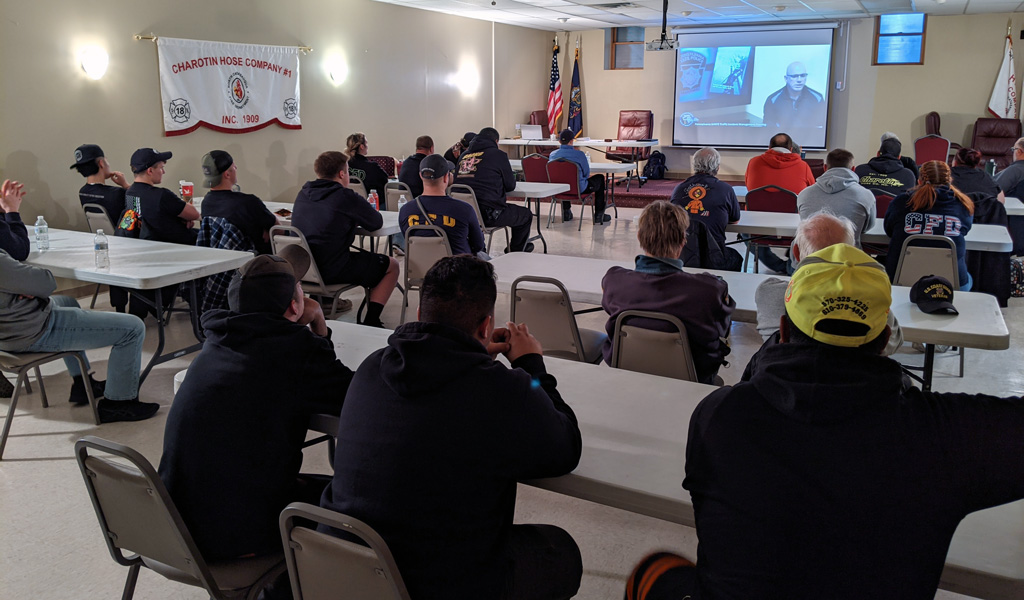
At VHB, collaboration is a core value. We help bring transportation professionals and responders together, whether through training, coordination efforts, or direct collaboration with agencies. Our role is often to act as a connector, helping agencies align goals, share information, and understand each other’s operational realities. Creating opportunities for these groups to learn from each other builds shared understanding and leads to stronger decision-making.
I’ve had the opportunity to develop and manage collaborative programs like Pennsylvania’s PennTIME initiative, which brought together transportation agencies, law enforcement, and emergency management partners to improve coordination statewide. Programs like this demonstrate how structured collaboration can improve consistency, communication, and safety outcomes across jurisdictions.
Turning Insight into Action
Another important piece of this work is how agencies use information. Critical data exists across multiple organizations that can support faster incident detection and response. When that information can be shared thoughtfully, it strengthens situational awareness and helps teams act more efficiently.
We’re also helping agencies prepare for evolving mobility technology challenges. Electric vehicles are one example, requiring new response approaches. Over the past two years, I’ve worked with the Pennsylvania Turnpike Commission to develop an electric vehicle and lithium-ion battery fire operational response plan that supports both responders and operations teams. This type of proactive planning helps agencies stay ahead of emerging risks. My colleague at our Camp Hill office, Gabby Benson, has been working extensively on a project to help Maryland State Highway Administration train responders on their interactions with connected and automated vehicles.
Moving Safety Forward
Post-crash care, and traffic incident management, is ultimately about people working together when it matters most.
My experience has shown me that when we connect field insight with planning and operations, we can strengthen coordination, improve preparedness, and support better outcomes. That integrated approach is essential to advancing roadway safety at a system-wide level.
That’s the role we play at VHB, bringing perspectives together, sharing practical experience, and helping agencies move safety forward.
Looking to enhance coordination, preparedness, and outcomes in post-crash care? Explore VHB’s nationwide safety practice or connect with me to start the conversation.