

Forward-thinking insights focused on a more sustainable tomorrow.


Designing Communities for an Aging Nation: Senior Living & Community-Based Healthcare
October 2026
The Demographic Shift Reshaping Communities
The United States is entering a new era. According to the U.S. Census, by 2030, Baby Boomers will be at least 65 years old, pushing the nation’s 65+ population to nearly 73 million people—more than one-fifth of the total U.S. population. As millions of Baby Boomers transition into retirement age, communities face new challenges in planning for future growth and investment to help older adults remain safe, healthy, and connected.
The aging of America’s population is reshaping how communities plan, develop, and invest in the built environment. Older adults want to stay connected to their families, routines, and communities and that preference is reshaping land use decisions, redevelopment strategies, infrastructure investments, and community planning priorities across the country.
As communities respond to these demographic shifts, they are evaluating how land is used and where development will occur. They must determine where to locate senior housing and healthcare facilities, while also evaluating zoning regulations, parking requirements, transportation and mobility options, and infrastructure capacity. These factors often determine the feasibility of a project and whether or not it can move forward. Successfully navigating local approvals while balancing community priorities is an essential part of a project’s viability.
Senior living providers, developers, healthcare providers, and housing agencies are responding to these shifts by partnering with communities to create housing and healthcare options that help older adults age in place with greater independence while maintaining access to essential services. These solutions range from independent and assisted living communities and healthcare centers to integrated campuses that provide residential, clinical, and social amenities.
Redefining the Senior Living Experience
Older adults leaving their primary homes are seeking environments where they can begin their journey in active adult or independent living and transition gradually to assisted living with higher levels of care, as needed. They are seeking quality settings that provide them with autonomy, wellness programs, amenities, meaningful activities, social connection, and safety. In response, senior living providers are developing flexible housing models and communities that provide a full continuum of care, from independent and assisted living to memory care and rehabilitation that adapt to the changing needs of residents as they age in place.
The implications for site planning and design are significant. Senior living communities must be safe, walkable, universally accessible, and support physical and emotional well-being. Therapeutic landscapes, sensory gardens, walking paths, and quiet seating areas have an important role to play in creating tranquil environments where residents and families can connect.
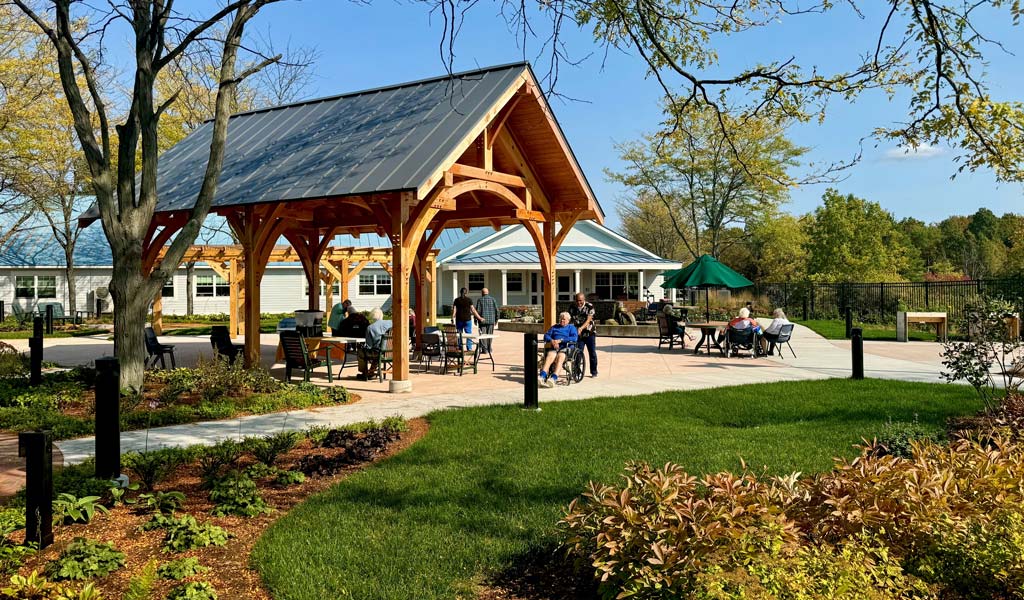
Amenities have become central to the resident experience. Walking trails, fitness centers, educational spaces, social gathering areas, community planters, and outdoor spaces for active recreation and gardening are being integrated into the community’s design to promote wellness and independence. Providers can use these spaces for a variety of programming designed to connect the community. One amenity that is helping older adults stay fit is outdoor physical therapy spaces. Senior living communities are integrating agility courses to physically challenge patients who may be recuperating from an injury so they can gain more independence.
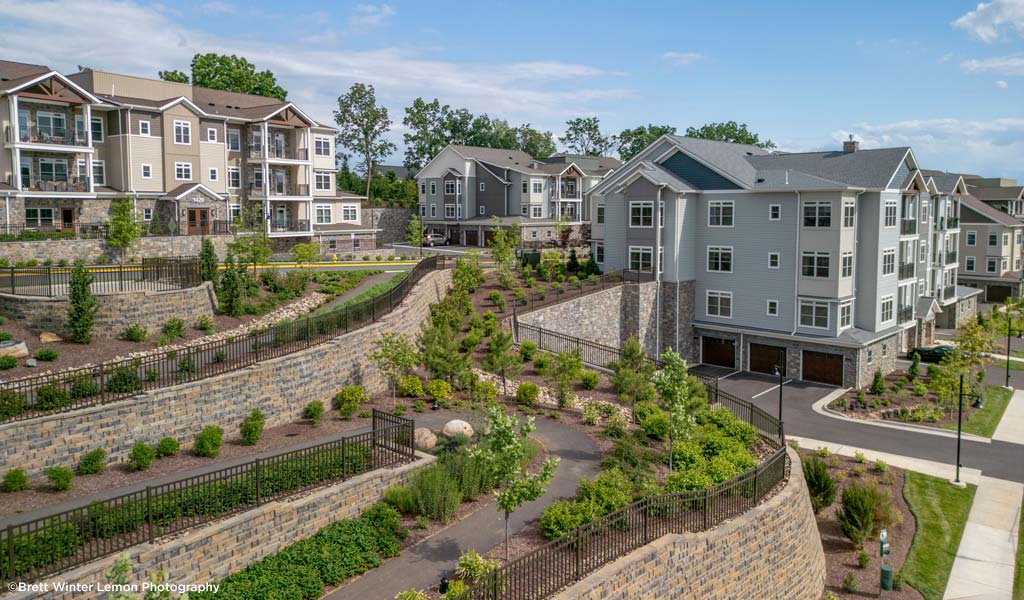
Mobility is equally important. Front door drop-off areas and van access for medical appointments, grocery trips, or daily errands are critically important elements for these facilities. In addition, owners are programming more spaces for shared vehicles to accommodate residents who no longer want to own their own cars but still desire the flexibility to drive themselves and maintain their connections within the community independently.
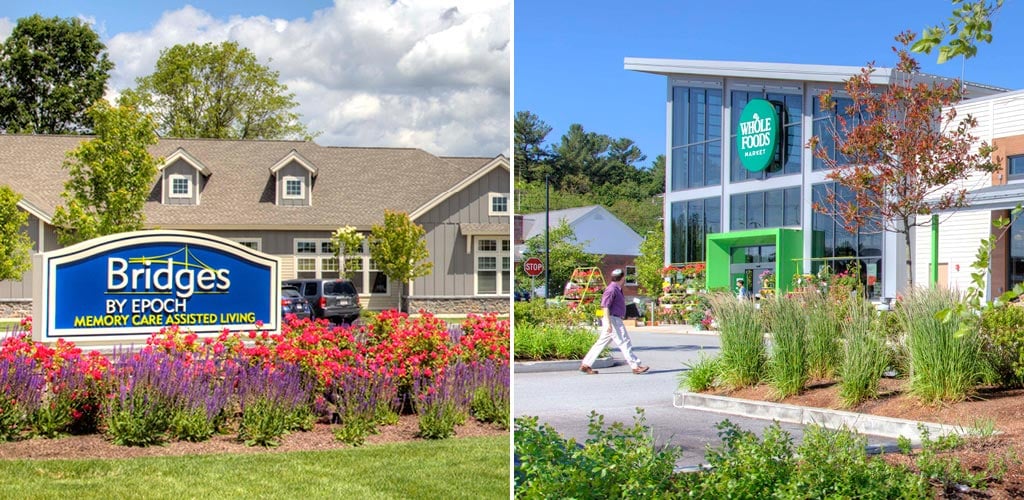
Evolving expectations from older adults are reshaping how senior communities are developed and integrated into mixed-use environments. Rather than isolating residents on stand-alone campuses, these developments are connecting residents to everyday destinations—shops, restaurants, healthcare, and parks—creating more vibrant communities.
The Rise of Community-Based Care
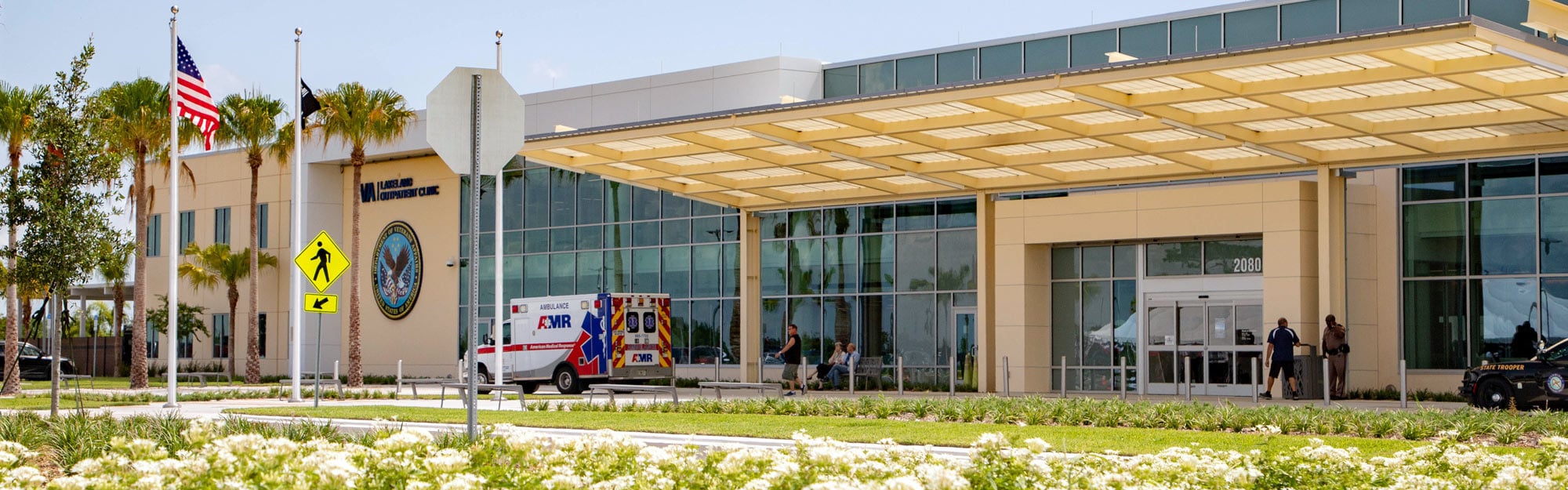
The same demographic shifts driving demand for senior living communities are also reshaping healthcare delivery. As the population ages, demand is increasing for primary care, cardiology, orthopedic services, rehabilitation, and long-term care. However, one of the most significant changes is not simply what care is needed, but where providers deliver it. Increasingly, patients want access to healthcare closer to home, so they do not have to travel to major cities and hospitals for routine outpatient services.
Healthcare systems are responding by strategically relocating outpatient functions away from their core campuses to meet the needs of patients who want localized care. Investments in distributed care models are moving services closer to where patients live, making healthcare more accessible, convenient, and patient-centered. As new techniques and technologies are developed, rehabilitation, diagnostics, specialty care, and same-day surgical procedures are now being delivered in community-based outpatient centers near patients’ homes. These models are improving convenience and enabling healthcare systems to reserve capacity at their main campuses for higher-acuity care.
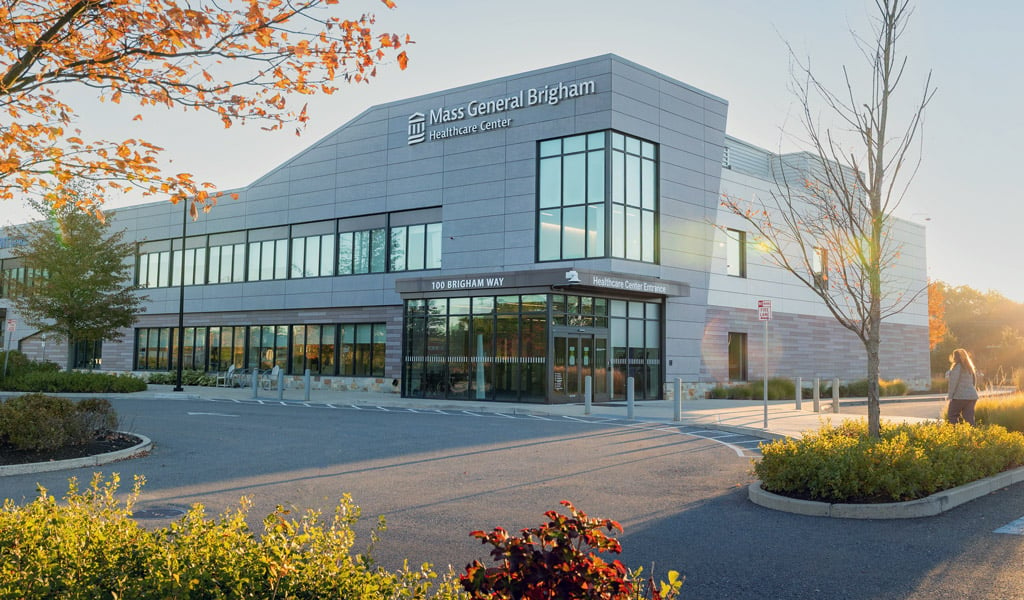
Planning the Next Generation of Care Facilities
As outpatient care moves into communities, site selection becomes increasingly more important. Healthcare centers typically produce more vehicles trips than traditional office uses and often require substantially more parking. Providers are seeking sites that are visible, accessible, and developable within town centers, retail districts, and mixed-use environments.
Accessibility is a key consideration in the design of community-based outpatient facilities. A patient’s journey begins before they enter an exam room, and as a result providers are developing facilities with ample parking, efficient drop-off and pick-up areas, clear circulation patterns, intuitive wayfinding, minimal grade changes, pedestrian connections, and transit access.
Mobility solutions must prioritize safe, level transitions, intuitive navigation, and weather-resilient infrastructure to encourage resident autonomy and outdoor engagement. Key considerations include implementing zero-step, flush thresholds at all egress points and maintaining sweeping, non-slip concrete pathways to eliminate the need for ramps. Clear visual orientation is achieved through high-contrast pavement boundaries, glare-reducing finishes, and continuous tactile handrails that double as structural support and sensory guidance. Curbs should feature wide, flared ramps with truncated-dome detectable warnings strips, while designated drop-off zones require expansive, weather-sheltered porte-cochères with automated touchless doors.
Thoughtful site design that anticipates the needs of older adults can reduce stress, remove barriers to care, and create a more seamless and enhanced healthcare experience.
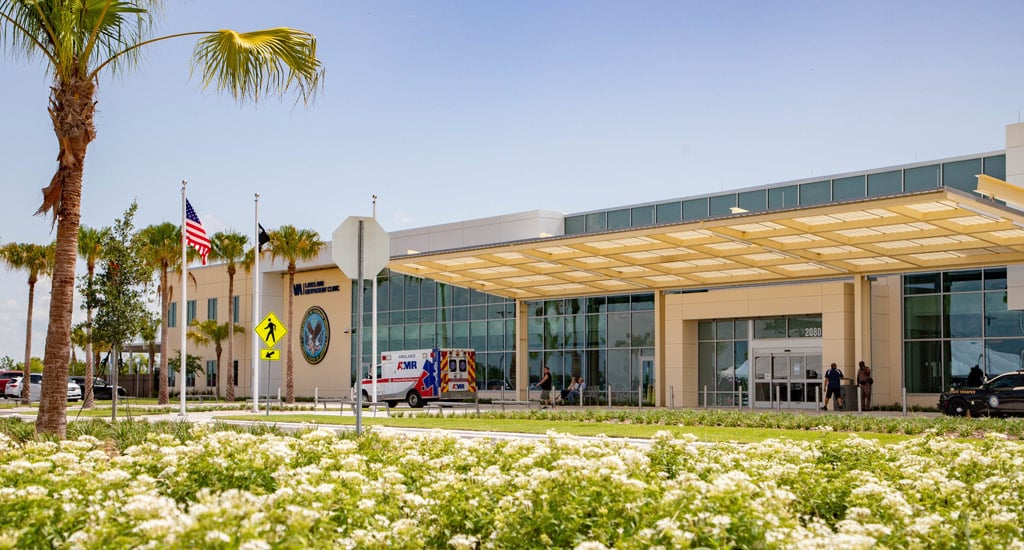
Many healthcare systems are exploring opportunities to reposition underutilized commercial properties to expand access to care within the communities they serve. Repurposing well-located sites near established population centers, retail services, and major transportation corridors can be more cost effective than developing a greenfield site. These properties offer existing parking, roadway access, utilities, and building infrastructure that can reduce development costs and accelerate project delivery. In addition, highly visible locations within commercial and mixed-use districts can build community awareness and enhance a provider’s brand in the market.
Healthcare systems that are evaluating underutilized assets in communities need to evaluate the project’s feasibility through analysis of local zoning, permitting requirements, and infrastructure capacity. If a property is not currently zoned for healthcare use, providers may need to obtain special use permits, variances, and approvals before a development can move forward. Additional investments in utilities, wastewater capacity, plumbing systems, medical infrastructure, stormwater management, and building improvements may also be required to support expanded healthcare operations.
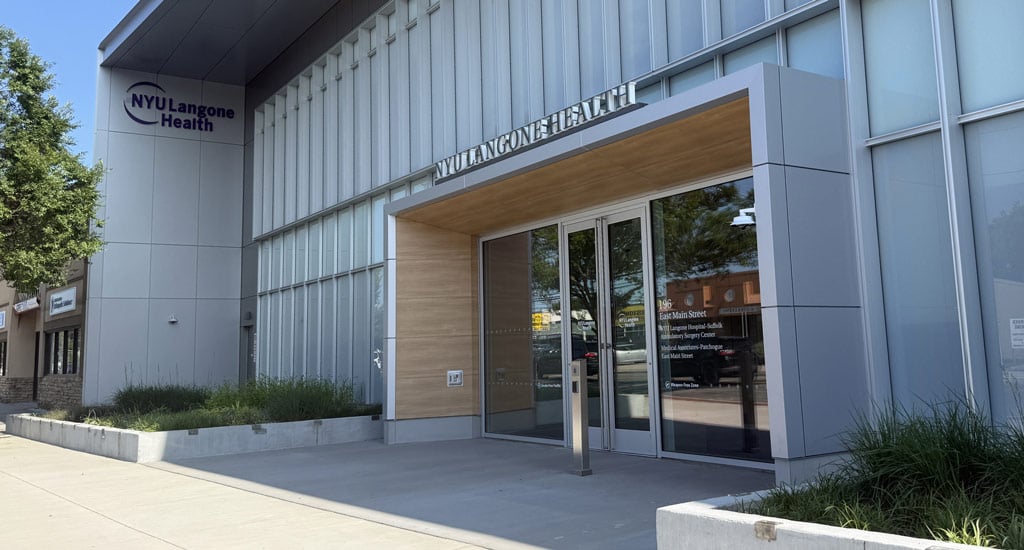
Where Senior Living and Community-Based Healthcare Converge
One of the most significant opportunities emerging from America’s aging population is the convergence of senior living and community-based healthcare. Senior living providers are seeking stronger healthcare partnerships near their campuses, while healthcare systems are decentralizing care through outpatient clinics in community settings. Communities that successfully integrate senior housing, healthcare services, mobility networks, and supporting infrastructure can improve access to care, support wellness and autonomy, and create environments where older adults can thrive as they age in place.
How VHB Can Help
VHB helps senior living and healthcare providers, developers, and communities plan, permit, and deliver senior living communities and community-based healthcare facilities that respond to evolving market needs. By leveraging local experience, regulatory knowledge, and multidisciplinary planning, engineering, and design services, we partner with clients to navigate approvals, address infrastructure challenges, and create places that support healthy aging and long-term community success.
Connect with Sean and Ryan to discuss your development goals.