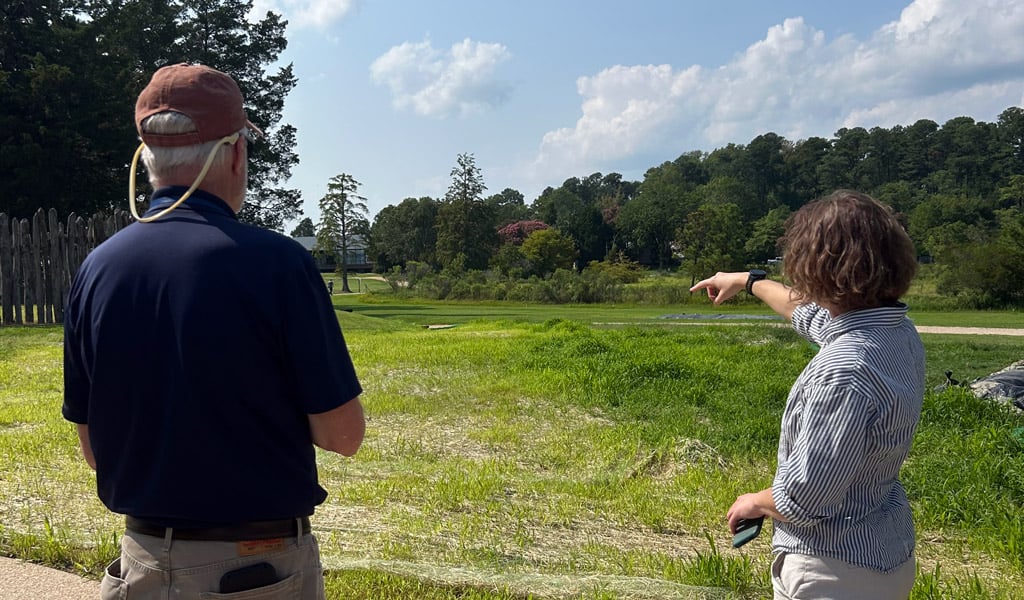
As flooding continues to threaten historic and cultural resources, the next phase of resiliency work at Jamestown Island is helping protect one of the nation's most significant archaeological sites for future generations.
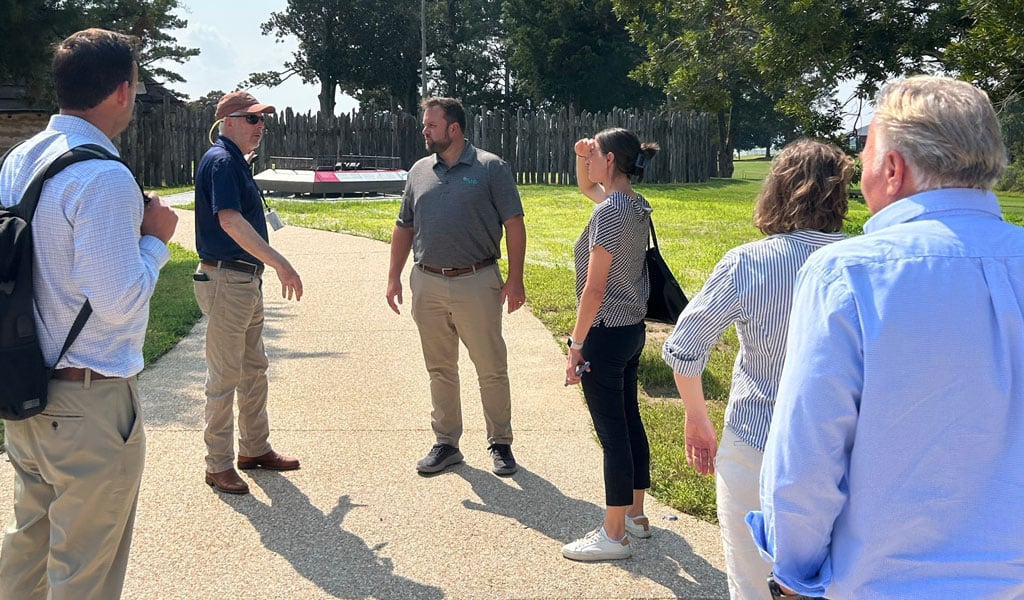
VHB has supported Preservation Virginia (PV) for nearly two decades, working closely with archaeologists and historians to develop designs that protect and enhance the sensitive landscape. Most recently, VHB worked alongside PV to develop the Jamestown Resiliency Plan, which established a long-term strategy for addressing flooding, sea level rise, and other climate-related risks to the archaeological features, cultural heritage, and visitor experience across the site. VHB recently joined Preservation Virginia and the Jamestown Rediscovery Foundation to kick off the next phase of the Jamestown Resiliency initiative.
This next phase focuses on advancing design efforts and working collaboratively with Preservation Virginia to develop flood protection measures that help safeguard archaeological, cultural, and historic resources while blending with the island's native landscape.
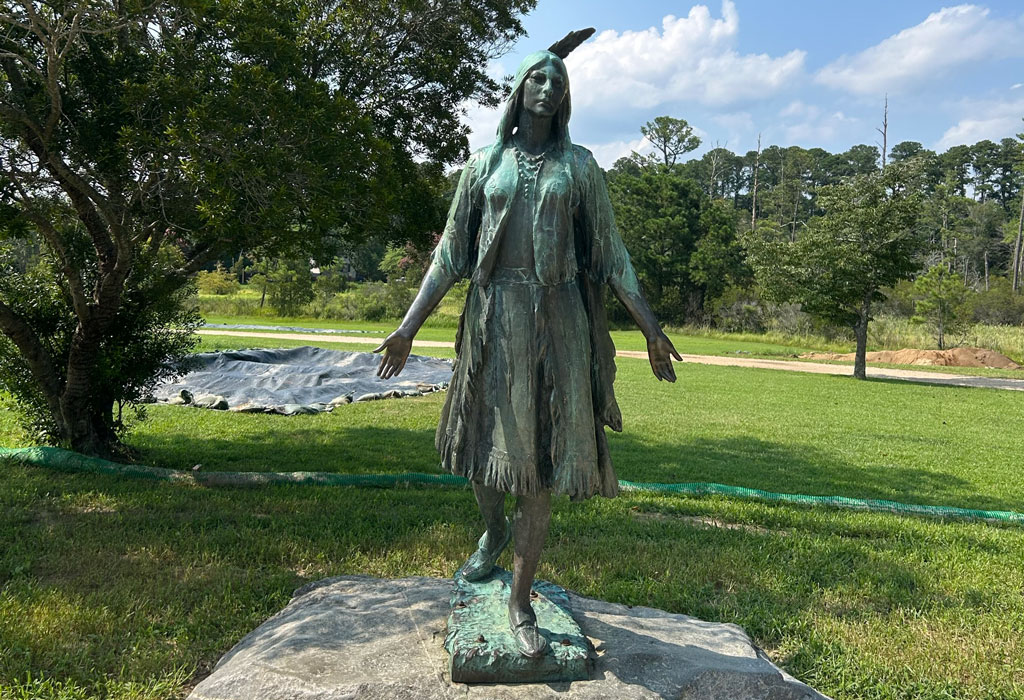
"Jamestown presents a unique opportunity to advance climate resilience and historic preservation together," said Peyton Ackerman, Landscape Designer at VHB. "As we move into the design phase, we're working closely with Preservation Virginia to develop solutions that protect invaluable cultural and archaeological resources while respecting the character of the landscape and enhancing the visitor experience."
The work reflects a multidisciplinary approach that combines landscape architecture, resiliency planning, and cultural resource preservation. By reducing flood risks while enhancing opportunities for interpretation and visitor engagement, the project supports both the protection of Jamestown's resources and the experience of those who come to learn from its history.
Learn more about VHB's approach to resiliency planning and design and how we're helping communities protect critical cultural and environmental resources.