In Washington, DC, projects do not move forward on design alone. Capital markets, entitlements, geopolitical events and stakeholder engagement shape every outcome, and even small shifts can ripple across an entire development project.
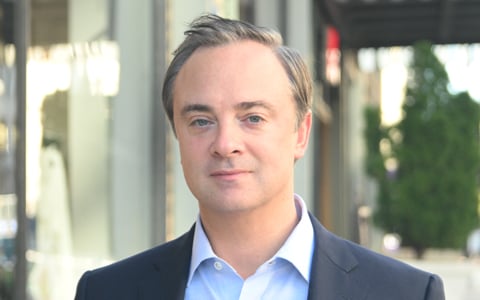
Todd Pedersen brings a perspective grounded in that reality. With more than 20 years of experience in urban planning and real estate development, including time working from a developer perspective, he understands how time-driven decisions around absorption, market appetite, and the aggregation of a capital stack drive progress. A graduate of Georgetown University’s Urban and Regional Planning program, he has worked on large scale real estate and infrastructure projects across the country.
Based in DC, Todd moves through the same systems his work helps shape—placemaking, walkability, transit, and the intersection of public and private spaces—seeing firsthand how people experience the city. That perspective keeps his focus practical. Solutions need to work not just in design, but in daily life.
With deep roots in the market, Todd has built relationships across the region’s largest owners, development teams, and design firms. Today, he works collaboratively across VHB’s integrated team, helping clients navigate complex approval processes, stay aligned as conditions evolve, and move projects forward with greater clarity.
We sat down with Todd to talk about what it takes to advance projects in DC, and how his experience continues to shape that approach.
VHB: From your experience on the developer side, what really drives decisions and momentum on a project?
Todd: Working on the developer side, I learned that projects move when everyone understands what’s driving decisions. It means threading that needle across time horizons, market conditions, investors, carry costs, approval timelines and construction schedules. When something slows down, it’s not one isolated element; they are all connected.
That mindset shapes how I work today. I focus on keeping teams aligned around what matters most and maintaining momentum, especially with how critical speed to market is. In my time at VHB, I’ve been impressed at how quickly, but thoughtfully we move, connecting the right disciplines early and staying ahead of potential challenges.
VHB’s strength is pairing that approach with deep local knowledge. The development community is facing some headwinds in this market, but we understand the entitlement process, the stakeholder groups, and the approval pathways that can slow projects down. In DC, that includes navigating both complex federal and local oversight with unique review bodies, and translating factors like financial realities, approvals, and project priorities into a clear path forward.
VHB: DC projects come with a unique layer of oversight, especially in the monumental core. How do you approach working within that process, and what does it take to move projects through it successfully?
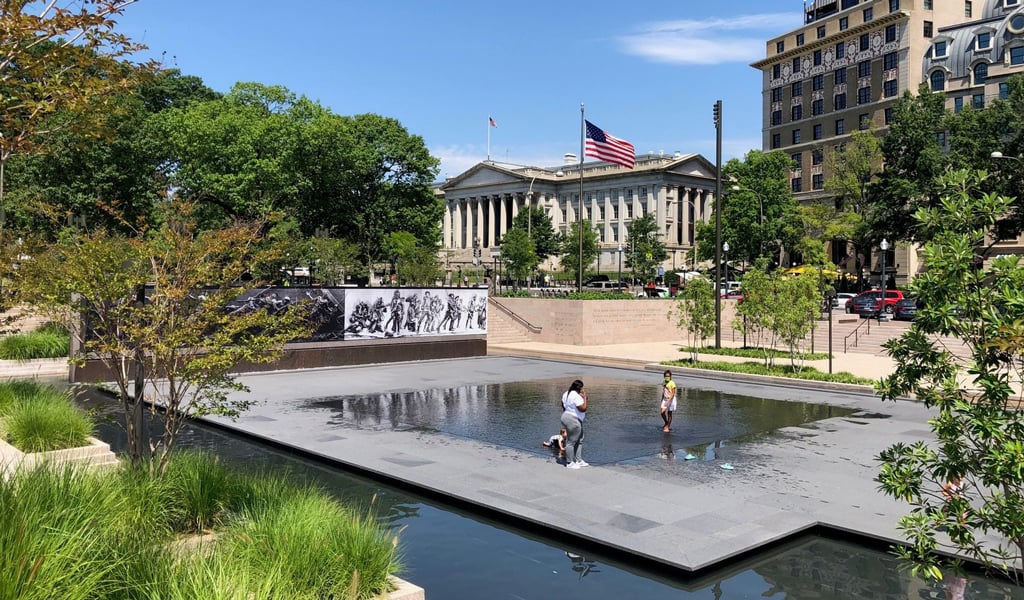
Todd: Projects in Metro DC come with a level of oversight you don’t see in every market. Along the monumental core, you’re not just working through a typical local process; you’re coordinating with federal review bodies like the National Capital Planning Commission (NCPC) and Commission of Fine Arts (CFA) that are unique to DC and play a major role in shaping outcomes.
What makes a difference in the ability to deliver those projects is experience in navigating those layers. Our DC team has a long history working with nearly every federal agency that has oversight and engagement in projects in the monumental core, so we understand the approval process and “toll gates” projects need to move through. That familiarity helps us anticipate requirements early, stay aligned with a long and critical list of stakeholders, and keep projects on track.
A great example is VHB’s Long Bridge project, a two-billion-dollar effort that includes seven new bridges, expands a major rail corridor, and creates an elevated public space connecting the District to Virginia. It is also a full-scale, multi‑modal, multi‑jurisdictional rail corridor expansion in one of the most constrained and politically sensitive transportation zones on the U.S. East Coast. This generational project will double rail capacity and dramatically benefit the fabric of the DC area. This effort requires navigating dense urban, historic, and environmentally protected areas, all while coordinating across federal, state, and local agencies.
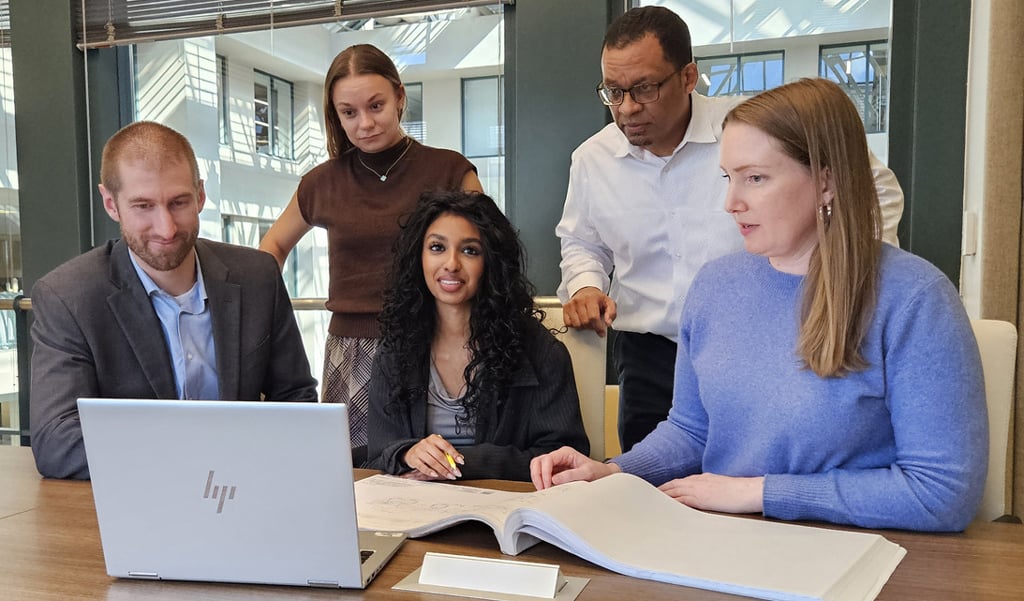
The number of stakeholders and approval processes for design and delivery of large projects in and around DC can be daunting, even for the most well capitalized and sophisticated developers that are well-experienced in DC, let alone clients that are new to the market. Having a team with hyper-local experience that understands both the unique process and the stakeholders, helps create a clearer path forward.
From there, it’s about coordination. Projects here involve a lot of moving parts including planning, engineering, structures, transit, and success depends on how well those pieces come together. Our team is set up to work that way, bringing the right knowledge in at the right time so clients can navigate complexity with more clarity and confidence.
VHB: What does a successful project look like, and what helps teams get there?
Todd: A successful project is one where the team stays aligned, and decisions continue moving forward. That alignment starts early, with how the team is set up and how quickly the right voices are brought into the conversation.
One of the biggest advantages we have in DC is how connected and integrated our team is. In addition to the Long Bridge project, we have worked together on complex efforts like Crystal City East Entrance, Pennsylvania Avenue, and the DC Strategic Fleet Electrification Plan, so there is already a strong foundation of trust and familiarity. That makes collaboration more immediate and more effective.
It also means we can bring in the right perspective quickly. If a question comes up, whether it is site strategy, transit, or stakeholder coordination, I can pick up the phone and connect with someone right away. There is no delay and there are no silos, just direct access to the experience and knowledge we need.
That level of connection helps us stay aligned internally, and that translates directly to our clients. Decisions come easier, coordination is smoother, and projects stay on track with a clearer path forward.
Learn more about VHB Metro DC projects and development work in the region and connect with Todd through email and LinkedIn.

