
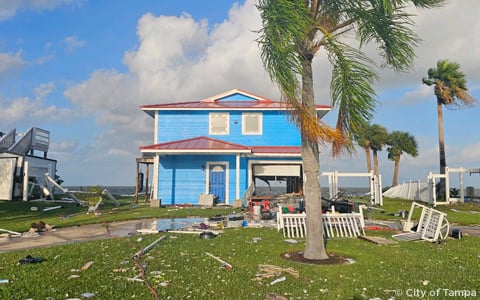
VHB completed Phase Two of the Tampa Bay Region Post-Disaster Redevelopment Plan (TBRPDRP), which creates a unified regional roadmap to help communities recover and provide opportunities for redevelopment following a major disaster event.
Funded by a $1.3 million Regional Catastrophic Preparedness Grant, the effort brought together four communities including Hernando County, Hillsborough County, Pinellas County, and the City of Tampa to develop a Regional Framework Plan grounded in best practices.
Phase One focused on research and vulnerability assessments to evaluate risks such as flooding, wind, and rainfall for each jurisdiction. Phase Two built on that foundation to address the shared challenges that don’t stop at county lines.
A Regionally Scaled, People-Centered Framework
The TBRPDRP synthesized four local plans into a Regional Framework Plan that encompasses the Tampa Bay area. VHB and team partners met with regional stakeholders and organizations— including Metropolitan Planning Organizations (MPOs), transit agencies, the Tampa Bay Regional Planning Council, and environmental groups—to make certain the plan reflects comprehensive policies, real-world operational strategies, and community needs.
These conversations highlighted numerous opportunities to support potential redevelopment needs that also meet other community goals. As one example, the TBRPDRP highlights how multimodal corridors, context-sensitive design transit—such as the ferry system that the Pinellas Suncoast Transit Authority (PSTA) will shortly operate—can serve as lifeline connections when roads and bridges are compromised, while also easing congestion during blue-sky days and supporting long-term affordability for those who call Tampa Bay home.
Environmental Resilience and Smarter Infrastructure
Environmental stewardship is a core pillar of the plan. Engagement with the Tampa Bay Estuary Program and other partners elevated living shorelines, nature-based coastal defense systems, and land acquisition programs that convert vulnerable sites into parks, trails, and conservation areas. These strategies buffer storm surge, reduce erosion, and build adaptive capacity across the region’s land and water systems.
The plan also examines regional-scale challenges such as storm debris and landfill capacity, pointing to opportunities like Pinellas County’s waste-to-energy facility and more coordinated approaches to debris staging, processing, and potential reuse.
Innovation, Funding, and Keeping the Plan Alive
The TBRPDRP introduces forward-looking concepts such as Advanced Air Mobility and drone technology to support damage assessment and post-disaster logistics across a larger geography. It also emphasizes that many of the most impactful strategies are “blue sky” actions that communities implement before disasters with funding from programs like the Federal Emergency Management Agency’s Building Resilient Infrastructure and Communities program and Florida’s Resilient Florida Grant Program.
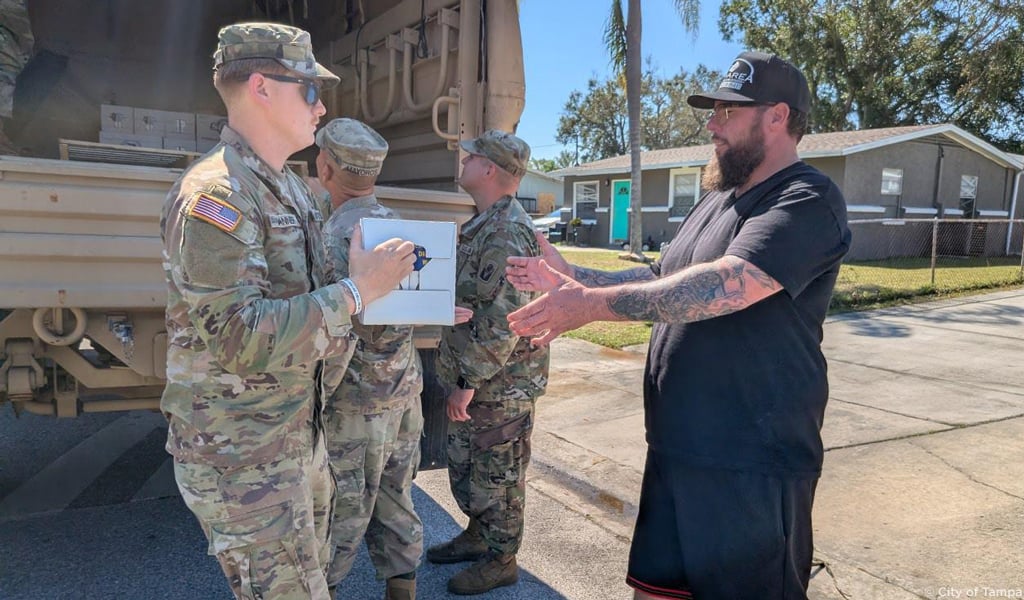
“It’s called a post-disaster redevelopment plan, but so much of the work really happens in blue-sky conditions—when the community is not under threat,” said Katie Shannon, VHB Project Manager. “The goal for the plan is to identify high risk areas, strengthen infrastructure resilience and sustainability, protect historic, cultural and environmental resources, and improve housing recovery and business continuity after disasters.”
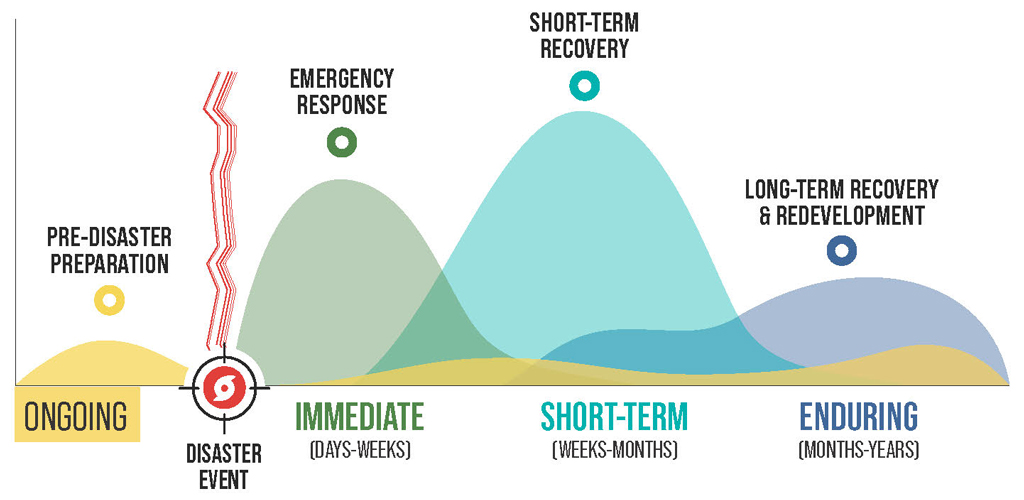
To keep the plan active and relevant, regional stakeholders and emergency management professionals will meet periodically to review the TBRPDRP and consider new best practices alongside existing mitigation strategies. The region will also work to strengthen its infrastructure and community assets well before the next storm appears on the radar.
VHB helps communities across the U.S. plan and adapt for coastal resiliency, including helping Pinellas County develop their first Resilient Pinellas Plan, a Climate Action Plan for the City of Tampa, and Long Island’s Suffolk County Resiliency Study.
Learn more about how VHB is helping clients prepare for a more resilient future.

