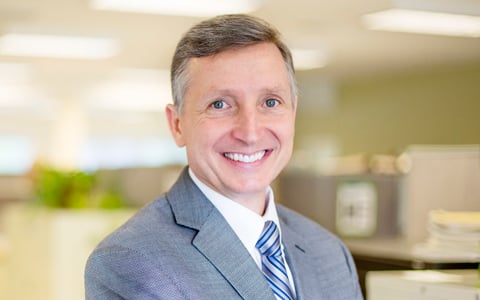
Tim Hogan is the National Park Service Nationwide Program Manager in VHB’s federal practice, bringing close to three decades of experience supporting federal agencies responsible for managing some of the nation’s most treasured public lands. His work spans historic sites, natural landscapes, and complex infrastructure—from civil engineering and environmental review to ferry systems and value analysis—in service of the agencies that steward America's parks, forests, and public lands.
We sat down with Tim to talk about how VHB builds long-term federal partnerships, what early projects taught him, and what it really means to be a trusted advisor across the federal land management community—including agencies like the National Park Service (NPS) and the U.S. Forest Service.
VHB: Over the course of your career, what have you learned about building successful long-term federal partnerships?
Tim: It's been an evolution built on consistency and trust. In the early years, we were taking on smaller civil engineering and stormwater projects, expanding our experience, and learning how federal agencies operate. Over time, those projects grew into long-standing relationships because clients knew what to expect from us and we delivered.
As those relationships deepened, clients increasingly turned to us not just for our technical knowledge, but for guidance. We learned that being a trusted advisor means understanding the broader mission behind a project and helping agencies navigate decisions that support their long-term goals.
What makes it special, though, is that it's not just a professional relationship. We've developed genuine friendships with our clients’ staff over the years. People want to work with people they trust, and when you've built that rapport over decades, you stop being a vendor and start being a partner. That's what makes each project better than the last.
VHB: How have those early projects shaped the way you think about transportation, visitor experience, and supporting federal agencies today?
Tim: Those early projects were foundational. My very first federal land management project was at Jamestown, part of Colonial National Historical Park, and that initial foothold in the historic triangle expanded into Yorktown and the Colonial Parkway. We were learning federal processes, standards, and culture in real time. Those experiences built not just our technical knowledge, but VHB’s institutional knowledge of how federal land managers think about stewardship, budget, and long-term planning.
Many of those early projects centered on transportation and visitor movement. At Colonial National Historical Park, we supported work along the Colonial Parkway, helping preserve a historic transportation corridor that connects Jamestown, Williamsburg, and Yorktown while shaping how visitors experience these nationally significant destinations. That work reinforced an important lesson: transportation design in federal lands is about more than mobility. It's about creating safe, intuitive, and memorable journeys that connect people to place.
That perspective has carried throughout my career, whether supporting transportation access and visitor circulation improvements at destinations like the Lincoln Memorial, Manassas Park, and Green Springs, evaluating roadway and trail connections, or helping agencies think about how visitors arrive, move through, and experience public spaces. Every transportation decision influences not only how people get somewhere, but how they engage with the resource once they arrive.
That early work also taught us the value of versatility. We grew from civil engineering and National Environmental Policy Act (NEPA) analysis into a full suite of integrated services, including transportation planning and design, environmental services, value analysis, and other disciplines that support federal lands. Today, that breadth of experience allows us to tackle a wide range of client needs and bring together the right team for the challenge at hand.
One week we may be discussing transportation access, the next it's environmental compliance, visitor experience, infrastructure improvements, or data-informed decision making. The ability to pivot comes from understanding our clients' missions and the unique context of every park, forest, or public land unit we support.
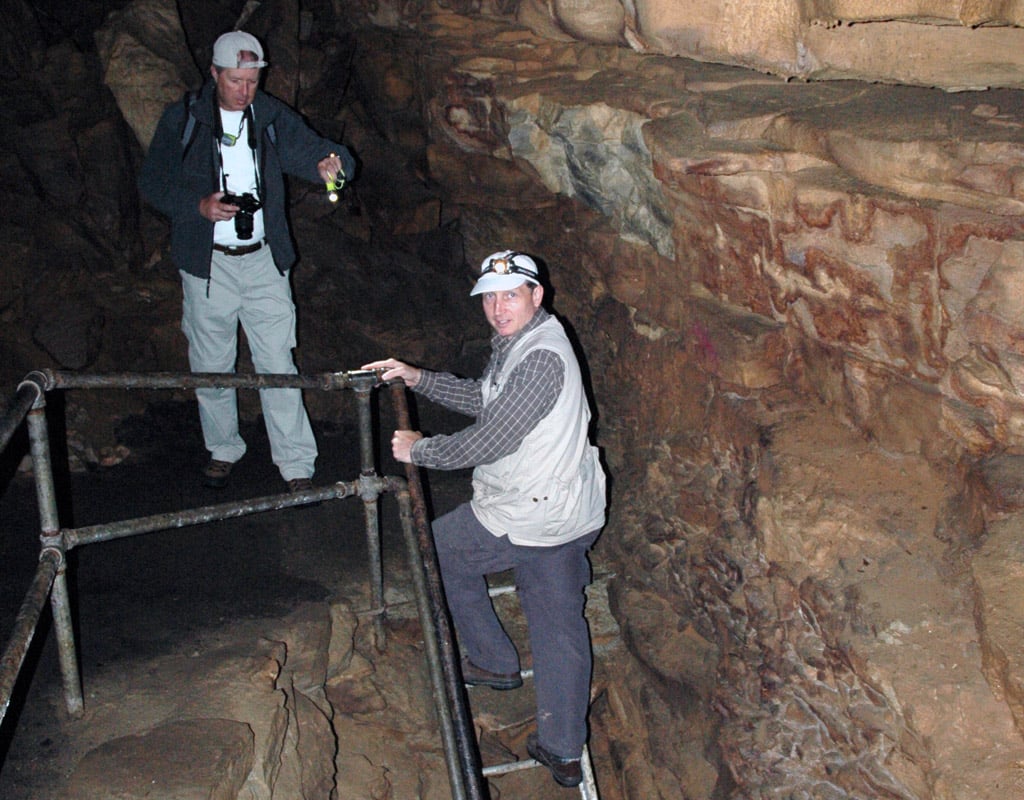
At Mammoth Cave, for example, we've been engaged since 2009, managing multiple active projects at any given time, and that kind of continuity doesn't happen by accident. It's the result of showing up consistently and growing alongside our clients.
VHB: What does being a trusted advisor look like in practice, and how does it translate across agencies?
Tim: Being a trusted advisor means agencies call us before they've fully defined the problem, whether they’re trying to understand their priorities, figure out what's feasible within a budget, or navigate a project that doesn't fit neatly into existing playbooks.
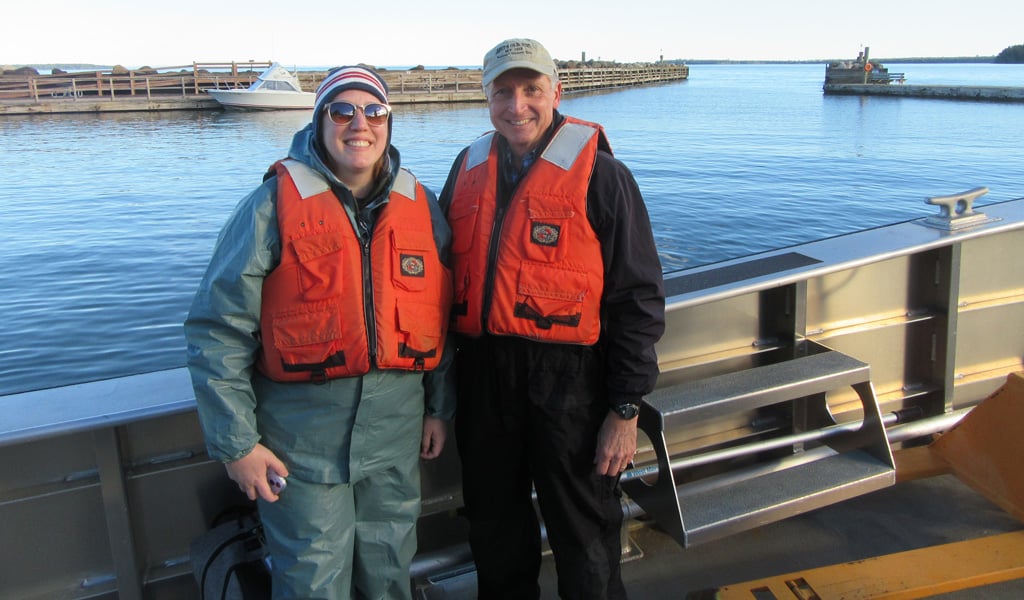
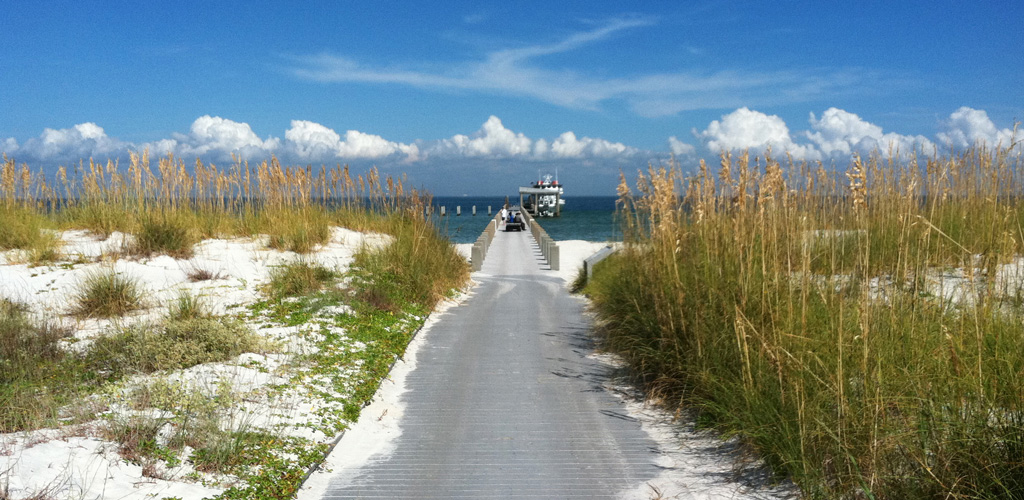
Our ferry and marine work is a good example of what that looks like on the ground. VHB brings a unique combination of transportation planning and marine experience to public land clients. We've conducted ferry feasibility studies at Gulf Islands National Seashore and Cape Lookout National Seashore, covering ridership, economic viability, and vessel design, and those systems are now operational. We've also assessed vessels like the Ranger 3 at Isle Royale National Park and worked on ferry infrastructure at the Statue of Liberty, in the Great Lakes, and at Alcatraz Island. That breadth of capability, combined with deep familiarity with how federal land agencies operate, lets us provide truly integrated solutions across a project’s full scope.
I bring a similar mindset to my work as a Certified Value Specialist (CVS), a credential held by fewer than 300 professionals nationwide. Through structured value studies, I help agencies evaluate alternatives and make decisions based on program priorities rather than cost alone.
For organizations like the NPS, that distinction is important. The most successful outcome isn’t always the lowest-cost option. It’s the solution that balances stewardship, visitor experience, operational needs, and the long-term integrity of the resource. Value analysis helps agencies make those decisions with confidence.
Our project management approach reinforces this. Rather than reinventing the wheel with each new project, we've built consistent processes across VHB so that every team draws on the same institutional knowledge, regardless of the agency we’re serving. That consistency minimizes surprises and builds confidence in every task we deliver.
Tim's work reflects VHB's broader commitment to federal partnerships built on continuity, technical depth, and a genuine understanding of client needs. From early civil and transportation engineering projects at Colonial National Historical Park to active program management at sites across the country, VHB continues to grow alongside federal agencies in support of America's most valued public lands.
Learn more about VHB’s Federal Government experience and connect with Tim through email and LinkedIn.